



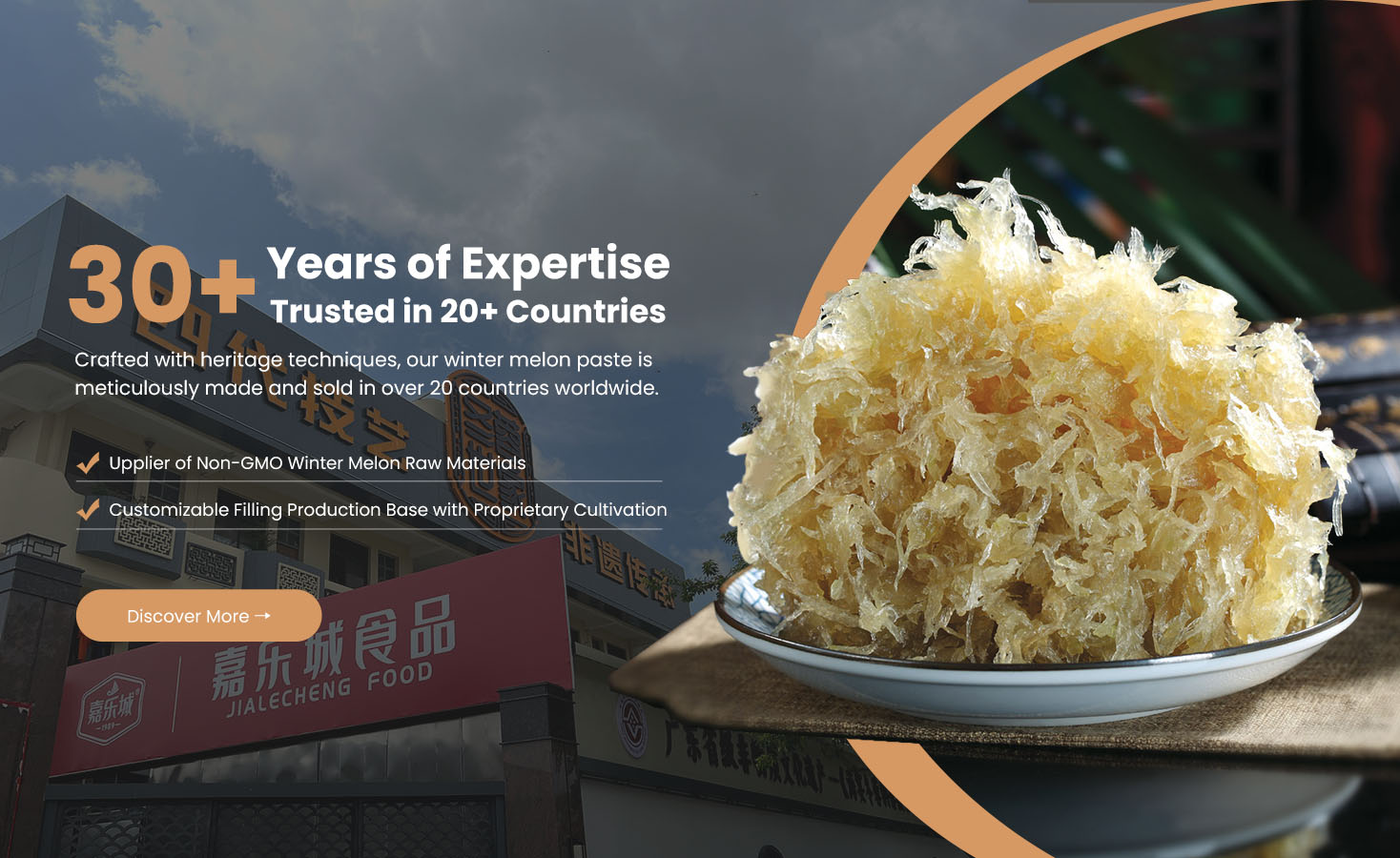
Winter melon has become one of the most distinctive and enduring ingredients in traditional Asian pastries. Its journey from an agricultural crop to a core component of classic fillings reflects regional climate conditions, food preservation wisdom, cultural taste preferences, and the evolution of artisanal processing techniques.
-
2026-01-05
-
2025-12-26Transport is one of the most critical phases in the supply chain for winter melon filling and other pastry ingredients. Even if a product is manufactured under strict hygiene and quality standards, improper handling during transport can lead to contamination, spoilage, temperature damage, or compromised packaging integrity.
-
2025-12-25Vacuum packaging is one of the most effective preservation methods used for winter melon filling in bakery, pastry, and industrial food production. Because winter melon filling contains moisture and natural sugars, it is susceptible to oxidation, mold growth, and microbial activity when exposed to air. Removing air from the package dramatically slows these reactions, allowing the filling to maintain freshness, texture, and safety over a much longer storage period.
-
2025-12-24The pH level of winter melon paste plays a major role in determining its shelf life, microbial stability, and performance in baking or industrial processing. While winter melon paste naturally falls on the mild-acid to neutral side of the pH scale, controlled acidification is often used in commercial production to improve safety and maintain consistent quality.
-
2025-12-23Humidity and temperature are two of the most critical factors affecting the stability, shelf life, and safety of winter melon filling. Because the filling contains natural sugars and controlled moisture, even slight deviations in climate conditions can accelerate spoilage, affect texture, or compromise product performance in bakery applications.
-
2025-12-22Winter melon filling is naturally stable due to its reduced-water content and controlled cooking process, but commercial bakeries and food factories often require additional preservation methods to extend shelf life, improve safety, and maintain product consistency.
-
2025-12-19Winter melon filling is widely used in pastries, mooncakes, cookies, hopia, and frozen-to-bake products because of its exceptional performance under freezing conditions. Unlike many fruit fillings that separate, crystallize, or become watery after thawing, winter melon filling maintains its smooth texture and cohesive structure. This makes it ideal for manufacturers producing frozen pastries or export goods that require long-term storage.
-
2025-12-18Winter melon paste is widely used in pastries, mooncakes, cookies, hopia, and frozen-to-bake products. Because it contains natural moisture and sugar, proper packaging plays a critical role in maintaining its freshness, texture, flavor, and safety.
-
2025-12-17Sweet melon fillings—often made from winter melon—are widely used in pastries, mooncakes, cookies, and traditional snacks. Although they have naturally stable properties due to controlled moisture and balanced sweetness, spoilage can still occur if storage conditions, handling practices, or packaging integrity fail. Identifying early signs of deterioration is essential for food manufacturers, bakeries, and distributors to maintain product safety and quality.
-
2025-12-16Winter melon paste is widely used in pastries, mooncakes, cookies, and Asian snacks, so identifying freshness and quality is essential for both chefs and manufacturers. High-quality winter melon paste should deliver consistent sweetness, smooth texture, and stable performance during baking or steaming.
-
2025-12-15Winter melon filling is known for its naturally stable composition, making it a reliable ingredient for bakeries, factories, and snack manufacturers. Its shelf life varies depending on processing methods, packaging, and storage conditions, but overall it maintains quality well due to its controlled moisture content, balanced sugar levels, and fine texture.
-
2025-12-12Winter melon paste has long been associated with traditional pastries, but its mild flavor, smooth texture, and stability make it an exceptional foundation for creative fusion desserts.