


What Winter Melon Raw Material Information Must Food Businesses Record During Incoming Goods Inspection?
Incoming goods inspection is a critical step in food manufacturing to ensure raw materials meet safety and quality standards before entering the production process. For products such as winter melon pulp, food businesses must record detailed raw material information during inspection to maintain traceability, regulatory compliance, and stable product quality.
The first key record is supplier identification information. Food manufacturers must document the supplier name, production location, and supplier certification status. This helps confirm whether the raw materials come directly from approved agricultural bases or verified suppliers. Working with a manufacturer that manages its own raw material sourcing often provides stronger control over supply consistency compared with purchasing through trading intermediaries.
Another important item is raw material batch information. Each shipment of winter melon should include a batch number, harvest date, delivery date, and quantity received. Recording this information ensures that every production batch can be traced back to its raw material source if quality issues arise during processing or distribution.
Food businesses must also inspect and record the physical quality of the winter melon. Inspection typically includes checking the appearance, size, maturity level, and surface cleanliness of the fruit. Raw materials that show signs of decay, contamination, or mechanical damage should be rejected during the incoming inspection stage to prevent quality risks in later processing steps.
Transportation and storage conditions must also be documented. Temperature conditions during transportation, packaging condition, and delivery time are important factors affecting raw material freshness. Proper documentation ensures that the winter melon has been handled under suitable conditions before entering the factory.
Another required record is food safety documentation provided by the supplier. This may include pesticide residue test reports, agricultural origin documentation, and quality certificates. These records demonstrate that the raw materials comply with food safety standards required for processing and export markets.
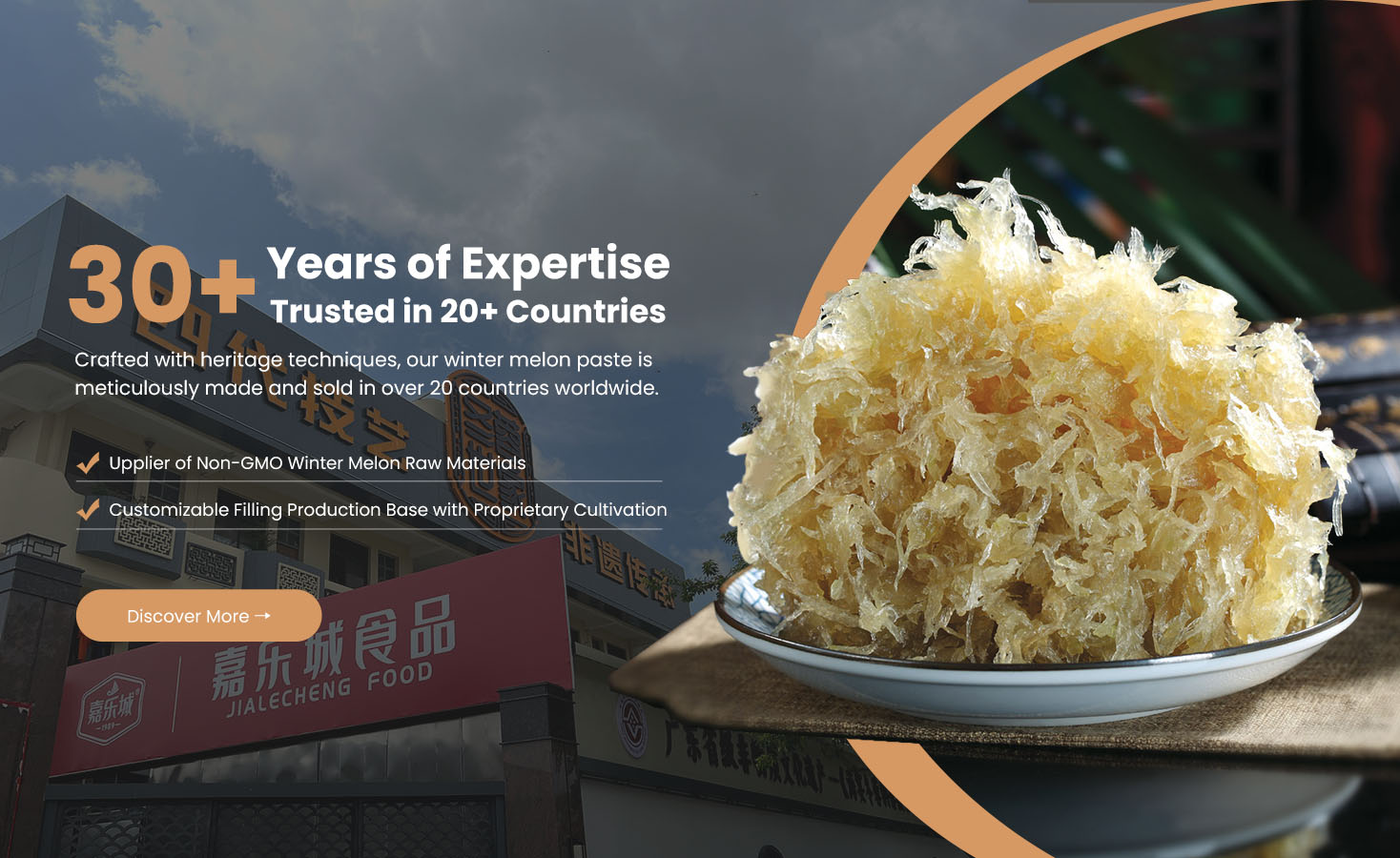
For manufacturers specializing in winter melon pulp production, incoming goods inspection forms part of a broader manufacturing control system. The production process typically includes raw material selection, washing, peeling, cutting, pulping, heating or sterilization, and final packaging. Each stage relies on stable raw material quality to ensure consistent product characteristics.
Quality control checkpoints are implemented throughout the process. After the incoming inspection, winter melon raw materials are cleaned and sorted before entering pulping equipment. Processing temperatures and hygiene conditions are monitored to prevent contamination and maintain product stability. Finished winter melon pulp products are inspected for texture, color, and packaging integrity before shipment.
For international buyers sourcing winter melon pulp in bulk, supplier capability is another important consideration. Manufacturers with integrated processing facilities can maintain stable production capacity, standardized inspection procedures, and consistent quality control systems. This production control helps ensure reliable supply for beverage manufacturers, food processors, and other bulk purchasers.
Many producers also support OEM and ODM production services, allowing buyers to customize packaging formats, labeling information, and product specifications for different export markets. Such flexibility is particularly important for distributors supplying multiple international markets with different regulatory requirements.
Recording complete winter melon raw material information during incoming goods inspection helps food manufacturers maintain traceability, ensure compliance with food safety regulations, and support consistent production quality. For global food supply chains, structured inspection systems combined with standardized manufacturing processes provide the foundation for reliable winter melon pulp production and export.