



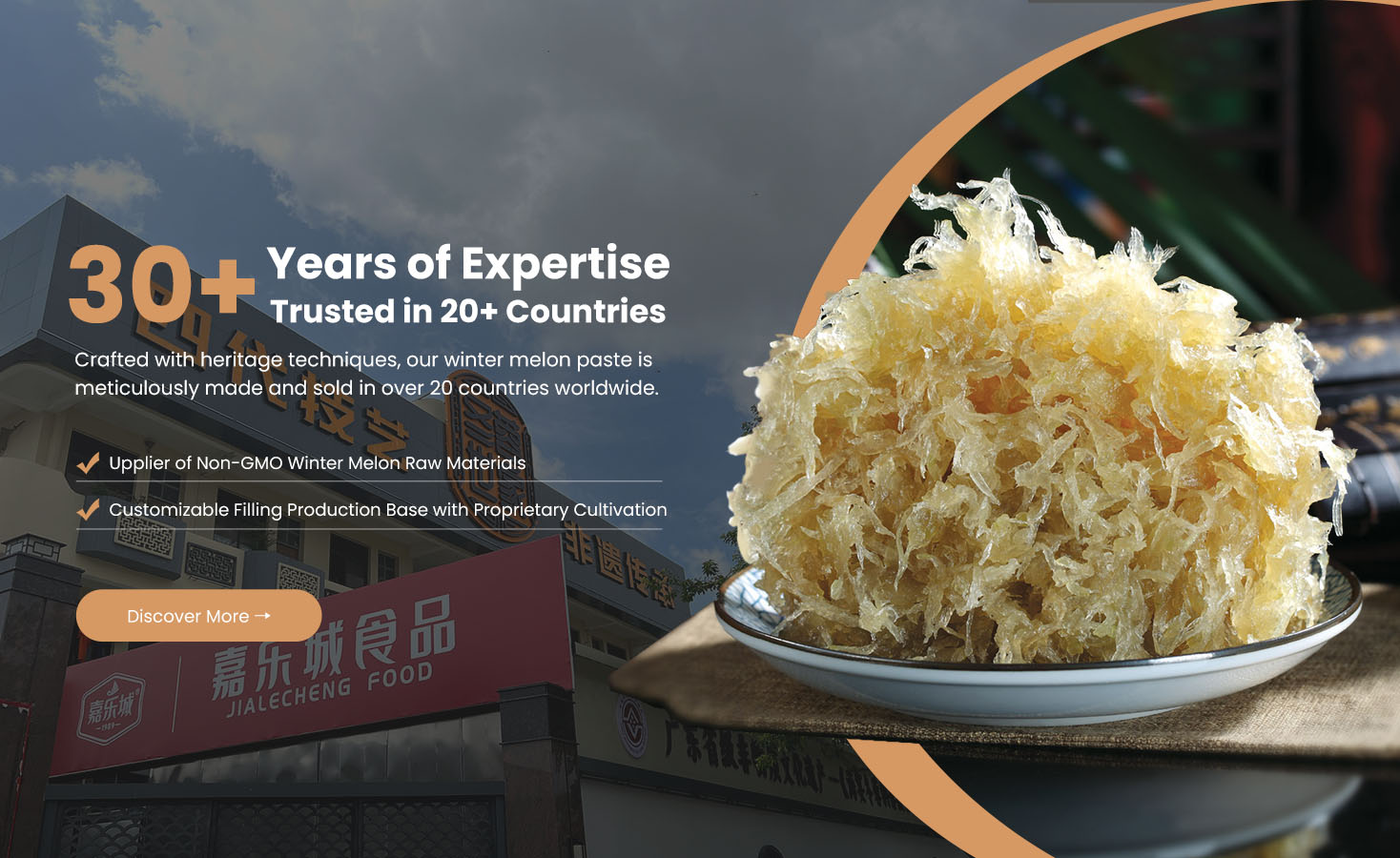
How To Develop New Products Suitable for The Frozen Food Industry Using Winter Melon As A Basic Raw Material?
The frozen food industry has expanded rapidly in recent years as consumers increasingly demand convenient, ready-to-cook, and ready-to-eat food products. Winter melon, known for its mild flavor, stable texture, and high moisture content, is a versatile raw material that can be used to develop a variety of frozen food products. For manufacturers specializing in winter melon pulp or processed winter melon ingredients, developing products tailored for the frozen food sector can create new export opportunities and expand product application scenarios.
Table of Contents
- Identify Suitable Product Categories
- Improve Processing Technology For Frozen Applications
- Develop Standardized Frozen Ingredient Formats
- Maintain Consistent Raw Material Quality
- Implement Strict Quality Control Systems
- Consider Export Market Requirements
- Support OEM And ODM Product Development
- Strengthen Bulk Supply Capability
- Conclusion
Identify Suitable Product Categories
The first step in product development is identifying frozen food categories where winter melon can be effectively applied. Due to its soft texture and neutral flavor profile, winter melon works well in several frozen product segments.
Common product directions include:
Frozen dessert fillings for pastries and bakery products
Frozen beverage bases and fruit pulp ingredients
Frozen soup or stew ingredient cubes
Frozen ready-to-cook vegetable mixes
Developing products that integrate winter melon into existing frozen food categories helps manufacturers enter established supply chains in the frozen food industry.
Improve Processing Technology For Frozen Applications
Winter melon contains high moisture content, which means processing techniques must be optimized to maintain texture and flavor after freezing.
Typical winter melon processing for frozen products includes:
raw material selection and cleaning
peeling and cutting
pulping or slicing depending on product type
blanching or thermal treatment
rapid freezing and packaging
Blanching before freezing helps stabilize color and texture while reducing enzyme activity that could affect product quality during storage.
Develop Standardized Frozen Ingredient Formats
For food manufacturers, standardized ingredient formats are important for efficient production. Winter melon products developed for the frozen food industry can include:
Frozen winter melon cubes
Suitable for soups, hot pot, and prepared meals.
Frozen winter melon puree
Used as a base ingredient in beverages, sauces, and desserts.
Frozen pastry fillings
Prepared winter melon paste designed for frozen bakery production lines.
Frozen ready-to-cook vegetable mixes
Winter melon combined with other vegetables for convenient meal preparation.
Standardized product formats allow food processors and restaurant chains to easily integrate winter melon ingredients into their production systems.
Maintain Consistent Raw Material Quality
Product development in the frozen food industry requires stable raw material quality. Winter melon used for frozen processing should have consistent maturity, firmness, and moisture content.
Manufacturers must implement strict incoming inspection procedures to evaluate raw materials before processing. Controlled sourcing from stable agricultural bases helps maintain consistent raw material supply.
Implement Strict Quality Control Systems
Frozen food products require precise processing conditions to ensure product stability and food safety. Quality control checkpoints should be implemented throughout the production process.
Key control stages include:
raw material inspection and sorting
hygiene management during cutting and pulping
temperature control during blanching and freezing
packaging inspection before cold storage
Maintaining strict process control ensures that frozen winter melon products maintain texture, flavor, and safety during long-term storage and transportation.
Consider Export Market Requirements
Manufacturers targeting international frozen food markets must ensure that product formulations and packaging comply with destination market regulations. Ingredient declarations, labeling requirements, and food safety documentation must meet regulatory standards.
Export-oriented manufacturers should maintain traceable production records and standardized documentation to facilitate customs clearance and international distribution.
Support OEM And ODM Product Development
OEM and ODM cooperation can help winter melon product manufacturers expand their presence in the frozen food industry. International buyers such as food brands, restaurant chains, and food processors often require customized frozen ingredients.
Through OEM and ODM partnerships, manufacturers can:
customize product formats for specific production lines
adjust sweetness or texture according to application needs
develop private-label frozen products for overseas clients
These collaborations allow winter melon processors to integrate more deeply into global frozen food supply chains.
Strengthen Bulk Supply Capability
The frozen food industry typically requires stable large-volume supply. Manufacturers must ensure consistent production capacity and reliable cold chain distribution to meet the needs of large food manufacturers and distributors.
Integrated production facilities that control raw material sourcing, processing, and packaging are generally better positioned to support bulk orders and long-term supply agreements.
Conclusion
Winter melon is a versatile raw material that can support the development of multiple frozen food products, including frozen vegetable ingredients, dessert fillings, and beverage bases. By optimizing processing technology, standardizing product formats, maintaining strict quality control systems, and supporting OEM and ODM customization, winter melon product manufacturers can expand their participation in the global frozen food industry.
Developing innovative frozen food products based on winter melon not only increases product value but also strengthens manufacturers’ competitiveness in international food ingredient markets.