



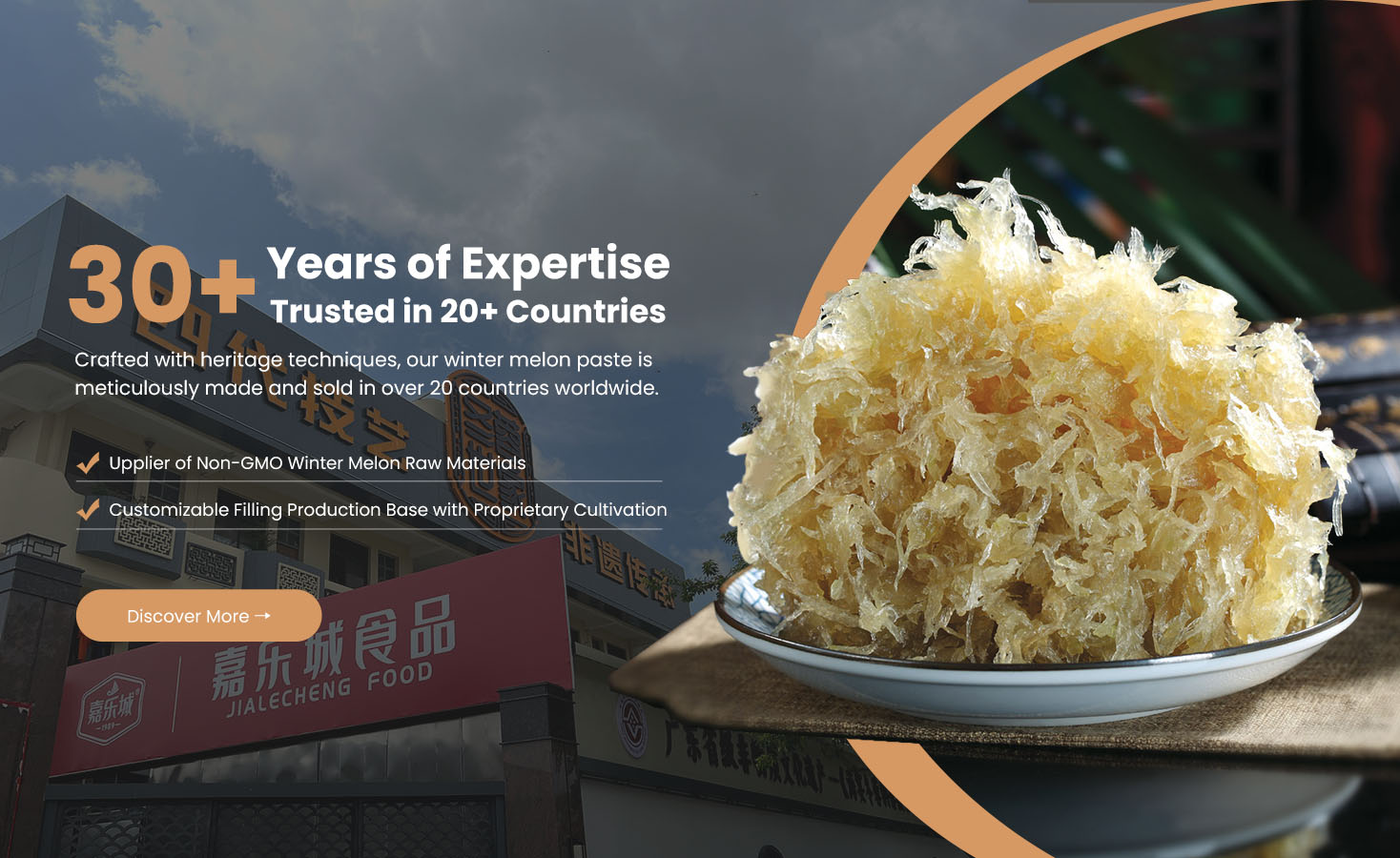
Winter melon products such as winter melon pulp and winter melon paste have traditionally been used in Asian desserts and beverages. As global consumers increasingly focus on healthy eating and natural ingredients, these products are gaining potential in European and American health food markets. To successfully enter these markets, manufacturers must position winter melon products according to current health trends, regulatory requirements, and consumer preferences.
Table of Contents
- Emphasize Natural And Plant-Based Ingredients
- Focus On Low-Sugar And Clean-Label Trends
- Promote Functional Food Applications
- Adapt Product Formats For Western Markets
- Ensure Compliance With Food Regulations
- Strengthen Manufacturing And Quality Control Systems
- Build Partnerships With International Food Brands
- Conclusion
Emphasize Natural And Plant-Based Ingredients
Consumers in Europe and North America are increasingly choosing plant-based and minimally processed foods. Positioning winter melon products as natural fruit-based ingredients can align well with these preferences.
Winter melon contains high water content and a mild natural sweetness, making it suitable for low-calorie food formulations. Manufacturers can promote winter melon pulp as a natural ingredient used in beverages, desserts, and bakery products that supports clean and simple ingredient lists.
Highlighting plant-based food characteristics can help winter melon products appeal to consumers seeking natural and vegetable-derived ingredients.
Focus On Low-Sugar And Clean-Label Trends
Low-sugar and additive-free products are growing rapidly in Western health food markets. Consumers are increasingly reading ingredient labels and avoiding foods with excessive sugar or artificial additives.
Winter melon products can be positioned within this trend by developing formulations with reduced sugar content and simplified ingredient lists. Clean-label positioning, which emphasizes recognizable ingredients and transparent processing, can improve consumer trust and product acceptance.
Manufacturers that maintain clear ingredient declarations and standardized labeling practices can better meet health-conscious consumer expectations.
Promote Functional Food Applications
Health food markets in Europe and North America increasingly value ingredients that support balanced diets and wellness-oriented lifestyles. Winter melon products can be positioned as versatile ingredients for functional foods.
Potential applications include:
fruit-based beverage bases
natural dessert fillings
plant-based ingredient blends
low-calorie fruit syrups
By presenting winter melon pulp as a functional ingredient used in healthy food formulations, manufacturers can expand its application beyond traditional Asian desserts.
Adapt Product Formats For Western Markets
Product format adaptation is essential when entering new markets. European and American food industries often require ingredient formats that fit modern food processing systems.
Suitable product formats may include:
concentrated fruit pulp for beverage manufacturers
ready-to-use pastry fillings for bakery production
frozen fruit puree for dessert manufacturers
bulk ingredient packaging for food processors
Developing standardized ingredient formats makes it easier for food manufacturers and distributors to incorporate winter melon products into their supply chains.
Ensure Compliance With Food Regulations
European and American markets have strict regulatory frameworks for food ingredients. To successfully position winter melon products, manufacturers must ensure compliance with relevant food safety and labeling regulations.
Key requirements include:
accurate ingredient declarations
standardized nutrition labeling
traceable raw material sourcing
documented food safety controls
Maintaining detailed production records and quality control systems helps facilitate regulatory approval and customs clearance.
Strengthen Manufacturing And Quality Control Systems
International buyers in the health food sector prioritize product safety and manufacturing reliability. Manufacturers must maintain structured production systems that ensure consistent product quality.
Typical winter melon product manufacturing includes raw material selection, washing, peeling, cutting, pulping, heating or sterilization, and packaging. Quality control checkpoints during these stages help maintain hygiene standards and product consistency.
Integrated manufacturing facilities that control the entire production process provide better traceability and quality assurance.
Build Partnerships With International Food Brands
Entering Western health food markets often requires collaboration with established food brands, distributors, and ingredient suppliers. OEM and ODM partnerships can help winter melon product manufacturers develop customized products for different market segments.
Through OEM and ODM cooperation, manufacturers can adjust sweetness levels, product formulations, and packaging structures according to client requirements and regulatory standards.
This approach allows winter melon products to be integrated into existing health food product lines developed by international brands.
Conclusion
Positioning winter melon products in the European and American health food markets requires a strategy that aligns with consumer health trends and regulatory standards. By emphasizing natural ingredients, clean-label formulations, functional food applications, and standardized product formats, manufacturers can increase the appeal of winter melon products to health-conscious consumers.
Strong manufacturing systems, strict quality control procedures, and OEM or ODM collaboration with international food companies can further support the expansion of winter melon products in global health food markets.