



Winter Melon Paste vs Lotus Seed Paste: Which Filling Is Better for Traditional Pastries?
winter melon paste and lotus seed paste are both popular traditional pastry fillings, but winter melon paste offers advantages in sweetness balance, texture flexibility, and large-scale production adaptability for many bakery applications.
Table of Contents
- What Is the Difference Between winter melon paste and Lotus Seed Paste?
- Which Filling Has Better Taste and Texture Performance?
- Which Filling Is More Suitable for Large-Scale Pastry Production?
- Which Filling Provides More Customization Options for Food Brands?
- Which Filling Is Better for Mooncakes and Traditional Pastries?
- Why Are More Manufacturers Choosing Winter Melon Paste for New Pastry Products?
- How Should Buyers Choose Between Winter Melon Paste and Lotus Seed Paste?
- Conclusion
What Is the Difference Between winter melon paste and Lotus Seed Paste?
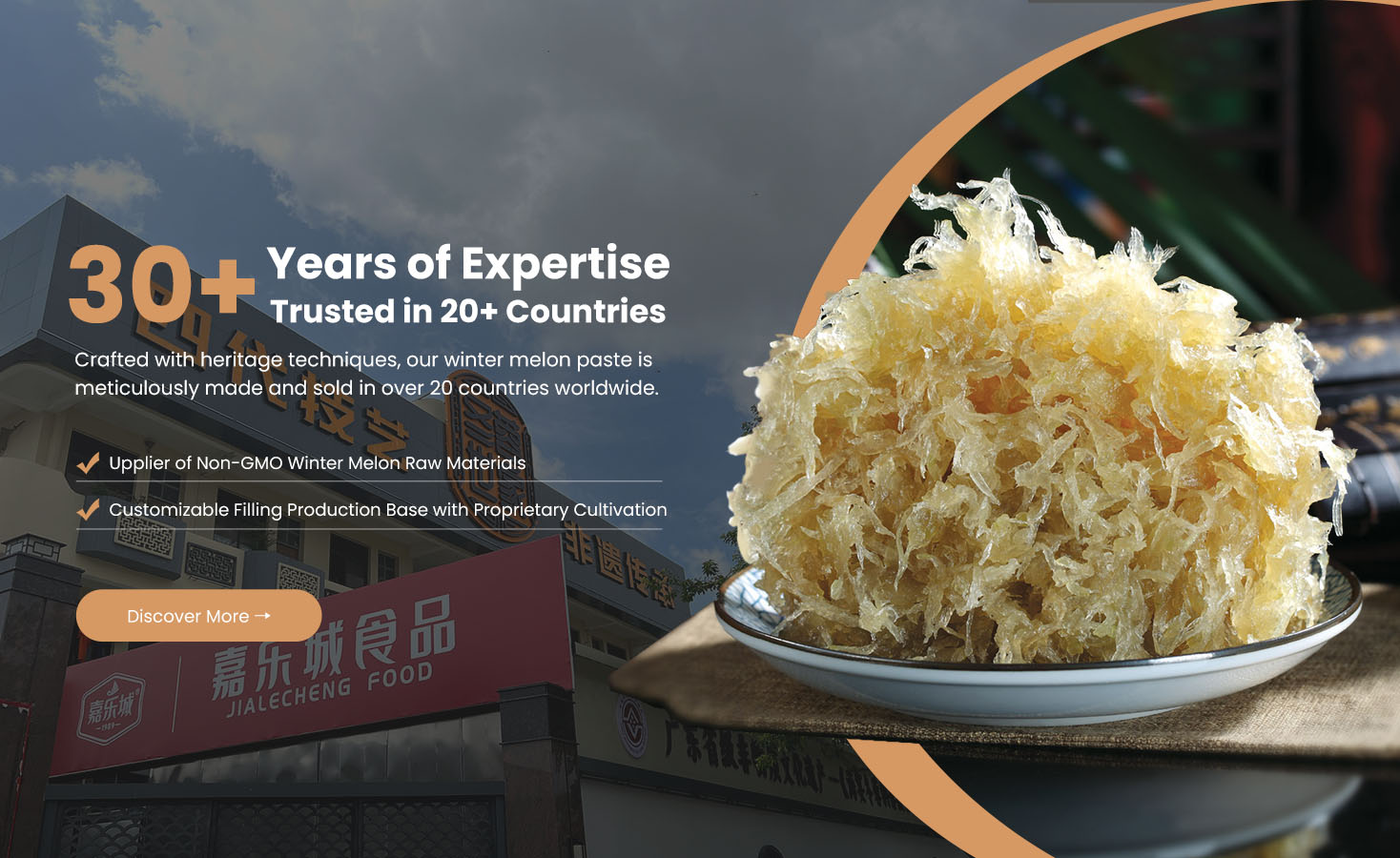
Winter melon paste is made primarily from processed winter melon with a smooth texture, mild sweetness, and excellent flavor absorption ability. It is widely used in mooncakes, pastries, traditional desserts, and customized bakery products.
Lotus seed paste is produced from lotus seeds and is known for its rich aroma, creamy texture, and premium positioning in traditional pastries. It is especially common in high-end mooncakes and classic Chinese desserts.
The main difference lies in their flavor characteristics and application advantages. Winter melon paste provides a lighter taste and more flexible formulation options, while lotus seed paste delivers a stronger nutty flavor and traditional premium image.
Which Filling Has Better Taste and Texture Performance?
The choice between winter melon paste and lotus seed paste depends on the desired consumer experience.
Winter melon paste has a delicate texture with a refreshing sweetness that does not easily overpower other ingredients. This makes it suitable for pastries where the filling needs to complement the outer layer, such as mooncakes, soft cakes, and baked snacks.
Lotus seed paste provides a dense and creamy mouthfeel with a distinctive lotus fragrance. It creates a richer eating experience but may require careful sweetness control because traditional lotus seed paste formulations often contain higher sugar levels.
For modern bakery products, winter melon paste is increasingly preferred when brands want a balanced flavor profile that appeals to consumers looking for lighter traditional desserts.
Which Filling Is More Suitable for Large-Scale Pastry Production?
For commercial pastry manufacturing, consistency, processing stability, and supply reliability are important factors.
Winter melon paste performs well in industrial production because its texture can be adjusted according to different processing requirements. Manufacturers can customize moisture levels, sweetness, and firmness to match different pastry structures.
Lotus seed paste requires careful control during production because lotus seed quality, processing methods, and oil content can influence the final texture. Maintaining consistent quality can require stricter raw material management.
For large-volume bakery production, winter melon paste provides flexibility for different product categories, especially when manufacturers need stable performance across multiple production batches.
Which Filling Provides More Customization Options for Food Brands?
Customization is becoming increasingly important for pastry brands developing new products.
Winter melon paste can be customized with different sweetness levels, textures, and formulations to meet various market preferences. It can also be combined with other ingredients to create unique filling concepts.
Lotus seed paste is often associated with traditional recipes, making it highly recognizable but sometimes less flexible for innovative product development.
For brands seeking OEM filling solutions, winter melon paste provides broader customization opportunities for seasonal products, export markets, and new bakery concepts.
Which Filling Is Better for Mooncakes and Traditional Pastries?
Both fillings have strong positions in traditional pastries, but their advantages are different.
| Comparison Factor | Winter Melon Paste | Lotus Seed Paste |
|---|---|---|
| Flavor Profile | Mild and balanced sweetness | Rich lotus aroma |
| Texture | Smooth and adaptable | Creamy and dense |
| Product Innovation | High flexibility for customization | Strong traditional identity |
| Suitable Applications | Mooncakes, pastries, cakes, desserts | Premium mooncakes and classic desserts |
| Production Adaptability | Suitable for large-scale manufacturing | Requires strict process control |
Winter melon paste is especially suitable for manufacturers developing products that require consistent quality, flexible recipes, and wider consumer acceptance.
Why Are More Manufacturers Choosing Winter Melon Paste for New Pastry Products?
The modern pastry market is shifting toward products with balanced sweetness, reliable quality, and adaptable formulations.
Winter melon paste supports these trends because it allows manufacturers to develop products with different flavors, textures, and positioning. From traditional mooncakes to innovative bakery items, it provides a stable filling foundation.
With professional production processes, controlled raw material selection, and experience in export food supply, manufacturers can provide winter melon paste solutions that meet different market requirements.
How Should Buyers Choose Between Winter Melon Paste and Lotus Seed Paste?
The right choice depends on the product goal:
Choose winter melon paste when seeking flexible customization, balanced sweetness, and stable production performance.
Choose lotus seed paste when targeting premium traditional products with a strong classic flavor identity.
Consider market preferences, product positioning, production scale, and desired texture before selecting a filling.
For many commercial pastry applications, winter melon paste offers a practical balance between taste, versatility, and manufacturing efficiency.
Conclusion
Winter melon paste and lotus seed paste each have unique advantages in traditional pastries. Lotus seed paste represents classic premium flavor, while winter melon paste provides greater flexibility and production adaptability. For modern pastry manufacturers focusing on product variety and consistent supply, winter melon paste is a valuable filling solution.