



Winter Melon Paste vs Coconut Filling: Which Filling Better Meets Consumer Preferences?
winter melon paste better meets a wide range of consumer preferences with its balanced sweetness and flexible applications, while coconut filling attracts consumers seeking a stronger tropical flavor and texture experience.
Table of Contents
- What Is the Difference Between winter melon paste and Coconut Filling?
- Which Filling Better Matches Modern Consumer Taste Preferences?
- Which Filling Provides Better Texture Experience?
- Which Filling Has Better Application Flexibility?
- Which Filling Offers Better Customization Opportunities?
- Which Filling Is More Suitable for Export Markets?
- Why Does Filling Selection Matter for Food Manufacturers?
- How Should Buyers Choose Between Winter Melon Paste and Coconut Filling?
- Conclusion
What Is the Difference Between winter melon paste and Coconut Filling?
winter melon paste and coconut filling are popular choices for bakery products and traditional desserts, but they provide different taste experiences and market advantages.
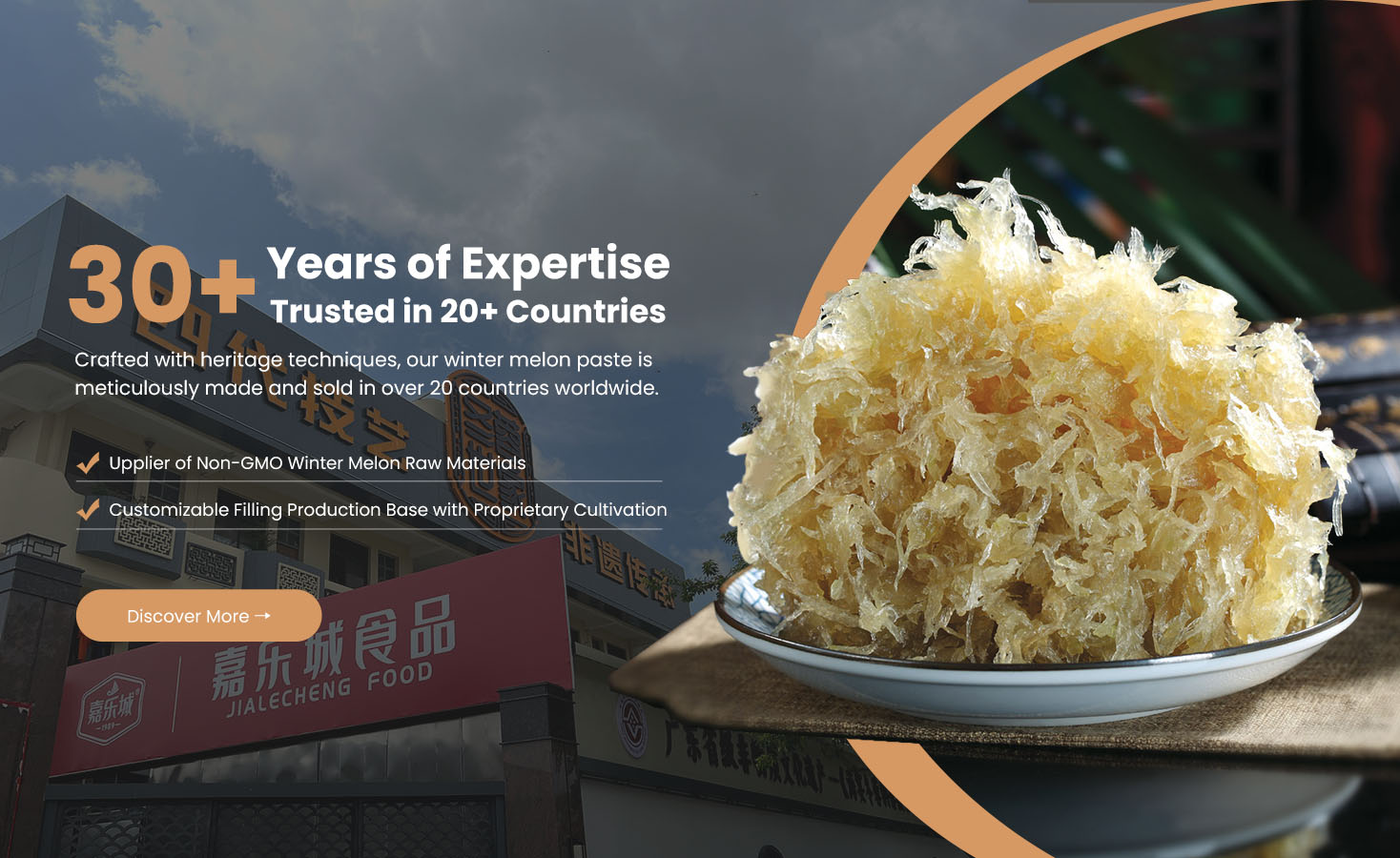
winter melon paste is made from processed winter melon and is known for its smooth texture, mild sweetness, and excellent compatibility with different pastry recipes. It is widely used in mooncakes, baked pastries, dessert products, and customized food applications.
Coconut filling is made primarily from coconut ingredients and provides a distinctive tropical aroma, rich flavor, and slightly textured mouthfeel. It is commonly used in cakes, breads, cookies, and specialty desserts.
The main difference is that winter melon paste offers versatility and balanced flavor, while coconut filling provides a stronger ingredient identity and unique taste profile.
Which Filling Better Matches Modern Consumer Taste Preferences?
Consumer preferences are increasingly focused on balanced flavors and enjoyable eating experiences.
Winter melon paste provides a gentle sweetness that does not overpower other ingredients. This makes it suitable for consumers who prefer lighter traditional desserts and products with a smoother flavor profile.
Coconut filling delivers a more noticeable coconut aroma and richer taste. It appeals to consumers who enjoy tropical flavors and products featuring natural ingredient characteristics.
For brands targeting a wider customer base, winter melon paste provides broader appeal because its mild flavor can match different consumer preferences.
Which Filling Provides Better Texture Experience?
Texture plays an important role in bakery product quality.
Winter melon paste offers a fine and smooth texture that creates a soft filling experience. Its consistency allows it to work effectively in products requiring even filling distribution and stable shaping during production.
Coconut filling usually contains coconut fibers or particles that create a more textured mouthfeel. This can provide a distinctive eating experience but may not be suitable for products requiring a completely smooth filling.
For traditional pastries and products requiring refined texture, winter melon paste provides strong advantages.
Which Filling Has Better Application Flexibility?
Different filling characteristics determine where products can be applied.
| Application | Winter Melon Paste | Coconut Filling |
|---|---|---|
| Mooncakes | Suitable for traditional and customized recipes | Suitable for innovative flavors |
| Pastries | Smooth texture supports various products | Adds coconut aroma and texture |
| Cakes | Compatible with different ingredients | Ideal for tropical-style desserts |
| Cookies | Provides balanced sweetness | Creates distinctive flavor |
Winter melon paste can support a wider range of bakery applications because of its adaptable flavor and texture.
Coconut filling is highly effective for products where coconut flavor is the main selling point.
Which Filling Offers Better Customization Opportunities?
Food brands increasingly require fillings that can be adjusted according to market needs.
Winter melon paste provides flexibility in sweetness, texture, and formulation. Manufacturers can develop different versions for various pastry styles, seasonal products, and regional preferences.
Coconut filling customization mainly focuses on coconut intensity, texture adjustment, and ingredient combinations. Its strong flavor characteristics may limit certain product applications.
For OEM product development, winter melon paste offers more opportunities to create differentiated filling solutions.
Which Filling Is More Suitable for Export Markets?
Export markets often require products that can appeal to different consumer groups.
Winter melon paste has advantages because of its neutral and adaptable flavor. It can be incorporated into traditional Asian pastries as well as modern bakery products for international consumers.
Coconut filling has strong global recognition, especially among consumers familiar with tropical flavors. However, its distinctive taste may be preferred more strongly in specific markets.
For manufacturers expanding product categories across different regions, winter melon paste provides greater flexibility.
Why Does Filling Selection Matter for Food Manufacturers?
The right filling affects product consistency, consumer satisfaction, and production efficiency.
Manufacturers need to consider not only flavor but also texture stability, processing requirements, and product positioning. A versatile filling can help brands develop more product variations while maintaining consistent quality.
Winter melon paste combines traditional dessert characteristics with production flexibility, making it suitable for manufacturers developing different bakery products.
How Should Buyers Choose Between Winter Melon Paste and Coconut Filling?
The selection depends on product goals:
Choose winter melon paste for balanced sweetness, smooth texture, and wider application possibilities.
Choose coconut filling for strong tropical flavor and a distinctive textured experience.
Consider target consumers, product positioning, and production requirements before making a decision.
For brands seeking a flexible filling ingredient that can support different bakery concepts, winter melon paste provides strong practical advantages.
Conclusion
Winter melon paste and coconut filling each have unique market value. Coconut filling creates a recognizable tropical flavor experience, while winter melon paste offers smoother texture, balanced sweetness, and greater adaptability. For manufacturers developing diverse pastry products and targeting broader consumer preferences, winter melon paste is a reliable filling choice.