



What Is Winter Melon Paste Used For In Baking
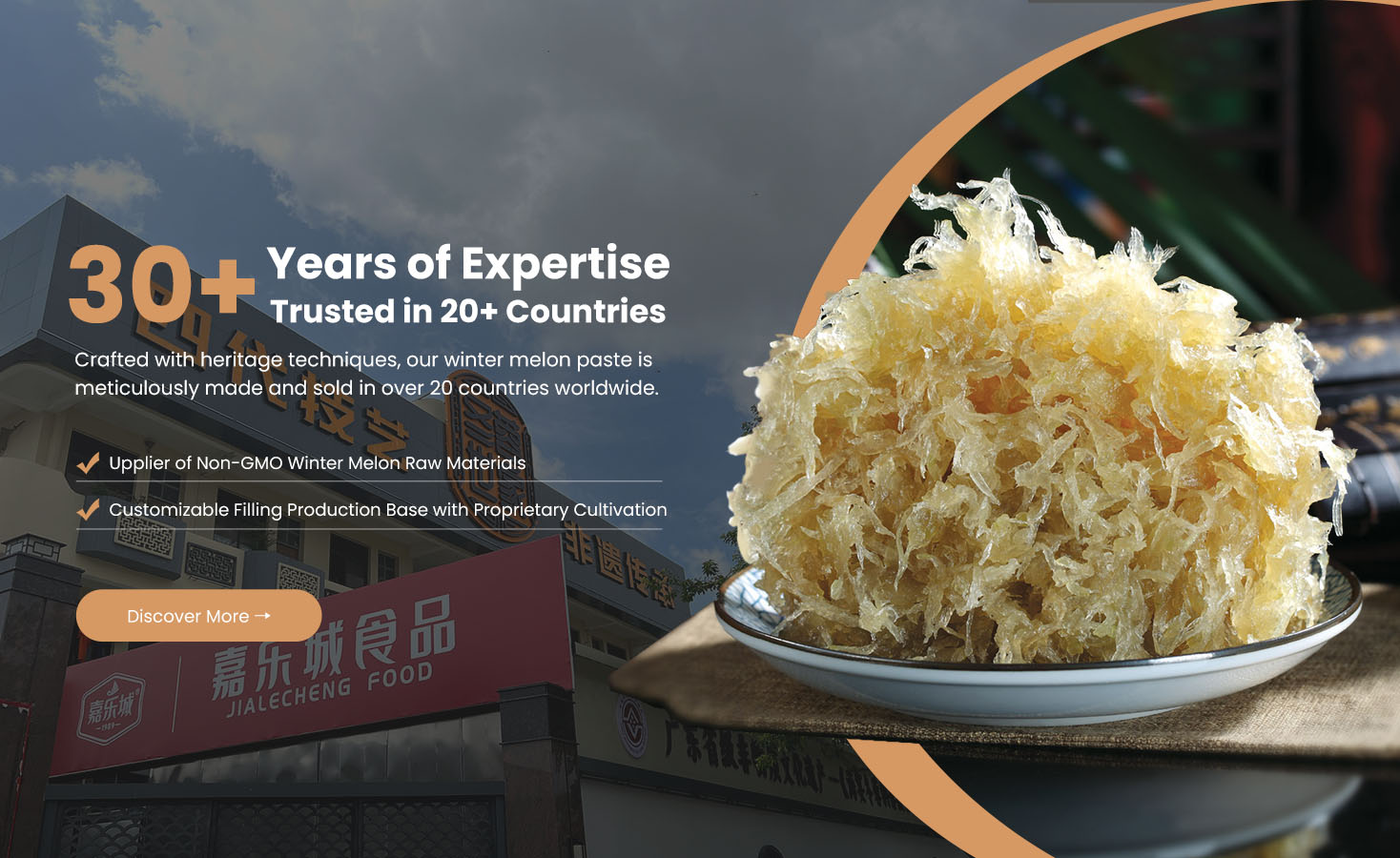
winter melon paste is mainly used as a baking filling that adds moisture, body, and a clean, mellow sweetness to finished products. In commercial baking, it is widely applied in mooncakes, wife cakes, pastries, and other filled desserts because it can deliver a stable texture while carrying both traditional and blended flavor profiles. JIALECHENG’s product pages describe winter melon paste as a bakery-oriented filling made from winter melon through dehydration, sugaring, grinding, homogenization, and low-temperature slow cooking, and the company notes that its fillings are widely used in mooncakes, Chinese pastries, and similar applications.
Table of Contents
Why Bakers Use Winter Melon Paste
The value of winter melon paste in baking comes from functionality as much as flavor. It helps fillings stay soft, sliceable, and visually consistent, while also working well as a base for mixed flavors. JIALECHENG offers both standard Winter Melon Fillings and mixed flavor versions, including coconut, pineapple, mango, and other combinations, showing how the ingredient can support both classic pastry lines and newer bakery products. Its Sweet Winter Melon Paste for baking is listed with moisture at 38 to 40 percent, which is a useful range for fillings that need spreadability and structure at the same time.
Manufacturer Vs Trader In Baking Supply
For baking applications, a direct manufacturer usually brings more value than a trader because filling performance depends on formula control, process stability, and pack consistency. JIALECHENG presents itself as a manufacturer with OEM and ODM capability, and its production content shows a controlled process that includes raw material inspection, standardized processing, metal detection, weight verification, and batch coding. That structure is important for repeat baking results across bulk orders.
Manufacturing Process Overview
A reliable winter melon paste for baking should be built through a controlled process rather than simple cooking. JIALECHENG’s process description highlights dehydration, sugaring, grinding, homogenization, and low-temperature slow cooking, while its production overview also points to moisture and Brix checks during processing. These steps matter because they help keep the filling stable in texture, consistent in sweetness, and suitable for large-scale pastry production.
Common Baking Uses
| Baking use | Why winter melon paste fits |
|---|---|
| Mooncakes | Stable filling body and traditional flavor base |
| Wife cakes | Good chew, sweetness balance, and sliceability |
| Pastries | Easy to portion and shape |
| Blended fillings | Works with fruit and floral flavor combinations |
| Export retail baking | Can be customized in pack size and formula |
JIALECHENG specifically markets Winter Melon Paste for Mooncakes and baking, and also notes that vacuum packaging and deoxygenation control support storage and export handling.
OEM ODM, Quality Control, And Export Compliance
For project sourcing, buyers should look beyond price and confirm formula targets, moisture range, pack format, traceability, and labeling readiness. JIALECHENG states that it supports OEM and ODM services from recipe development to customized packaging, which is useful for private label and industrial bakery supply. On the compliance side, FDA requires food ingredients to be listed by their common or usual names, and Codex places food hygiene and HACCP at the center of safe food production for international trade.
Conclusion
Winter melon paste is used in baking as a dependable filling for mooncakes, wife cakes, pastries, and blended dessert products. Its role is not only to add sweetness, but also to improve filling texture, processing stability, and product differentiation. With direct manufacturing, OEM and ODM support, controlled production, and export-oriented packaging, JIALECHENG offers a stronger supply model for bakery customers that need consistency across repeated orders.