


What Documents Are Needed For Food Import?
International food import requires more than product quality and stable supply capability. Before fruit paste, bakery fillings, or processed food ingredients enter overseas markets, manufacturers and import partners need to prepare complete documentation covering food safety, product information, customs clearance, and regulatory compliance.
For processed food products such as Winter Melon Paste Fillings, export documentation helps prove product origin, manufacturing standards, ingredient safety, and compliance with destination market requirements. The U.S. FDA requires imported food products to meet the same safety standards as domestically produced foods, and imported food facilities must follow registration and prior notice requirements when applicable.
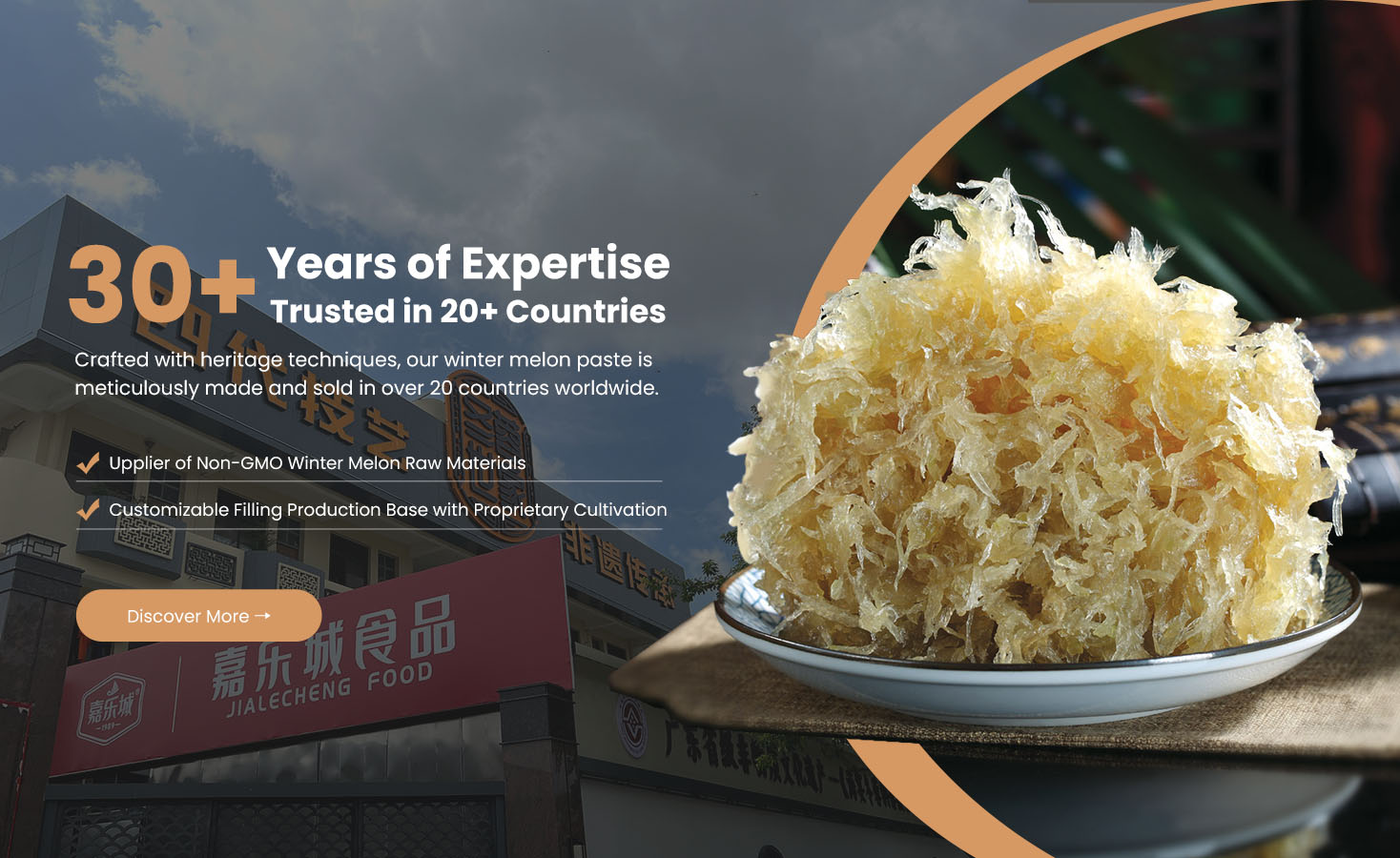
As a professional winter melon paste filling manufacturer, JIALECHENG Foods understands that successful food export depends on both manufacturing capability and compliance management. Since 1989, we have focused on filling production, combining traditional processing methods with modern quality systems to provide stable filling solutions for global bakery applications.
Table of Contents
- Why Are Food Import Documents Important?
- 1. Commercial Invoice
- 2. Packing List
- 3. Certificate Of Origin
- 4. Food Safety And Quality Certificates
- 5. Ingredient List And Product Specification Sheet
- 6. FDA Registration And Prior Notice For U.S. Food Import
- 7. Manufacturing Process Documentation
- 8. OEM And ODM Documentation Requirements
- 9. Bulk Supply Documentation Checklist
- 10. Export Market Compliance For Different Countries
- Project Sourcing Checklist For Food Import Preparation
- Building Reliable Food Export Capability
Why Are Food Import Documents Important?
Food import documents provide evidence that products meet regulatory, safety, and commercial requirements. Without complete documentation, shipments may experience delays, additional inspections, or clearance problems.
Common purposes of food import documents include:
| Document Purpose | Main Function |
|---|---|
| Product identification | Confirm product information |
| Food safety verification | Demonstrate manufacturing control |
| Customs clearance | Support international shipment |
| Traceability management | Track production history |
| Regulatory compliance | Meet destination market rules |
Food safety authorities worldwide emphasize traceability because it allows problems to be identified and controlled throughout the supply chain. The FDA also requires imported foods to comply with applicable U.S. food laws and regulations.
1. Commercial Invoice
The commercial invoice is one of the most important documents in international food trade. It provides essential transaction information for customs clearance.
A commercial invoice usually includes:
| Information | Purpose |
|---|---|
| Product name | Identify exported goods |
| Quantity | Confirm shipment volume |
| Unit price | Calculate customs value |
| Total value | Support import declaration |
| Seller and buyer information | Verify transaction details |
For bulk food supply projects, accurate commercial invoices help reduce customs processing issues and improve shipment efficiency.
2. Packing List
The packing list provides detailed information about how products are packed and shipped.
Important details include:
Number of cartons
Net weight
Gross weight
Packaging method
Product specifications
Container information
For fruit paste and bakery fillings, packaging information is especially important because storage conditions and transportation methods can affect product quality.
A professional manufacturer should ensure that packing information matches the actual shipment to support smooth customs procedures.
3. Certificate Of Origin
A certificate of origin confirms where the product was manufactured. Many countries use this document to determine tariff treatment, trade policies, and import requirements.
For food ingredients, origin information helps demonstrate:
Manufacturing location
Supply chain transparency
Product authenticity
As a direct manufacturer, JIALECHENG manages production information internally, allowing better control over manufacturing records and product traceability.
4. Food Safety And Quality Certificates
Food import markets often require manufacturers to provide evidence of quality management systems.
Common certificates and documents include:
| Document | Purpose |
|---|---|
| ISO 9001 | Demonstrate quality management |
| Food safety certificates | Support safety compliance |
| Product inspection reports | Verify product quality |
| Testing reports | Confirm specifications |
JIALECHENG has obtained ISO 9001 certification, WIT certification, and export food qualifications to support international market requirements.
A strong quality management system helps manufacturers maintain consistent production performance across different shipments.
5. Ingredient List And Product Specification Sheet
Food importers and regulatory authorities need clear information about product composition.
A product specification sheet usually includes:
Product name
Ingredients
Physical characteristics
Storage requirements
Shelf life
Packaging information
Application recommendations
For fruit paste and bakery fillings, specifications are important because different applications may require different texture, sweetness, and moisture characteristics.
JIALECHENG provides filling solutions including winter melon paste products for mooncakes, pastries, and bakery applications.
Winter Melon Paste Filling Solutions
6. FDA Registration And Prior Notice For U.S. Food Import
For food exported to the United States, manufacturers and import partners need to understand FDA-related requirements.
The FDA requires food facilities involved in manufacturing, processing, packing, or holding food for consumption in the U.S. to follow applicable registration requirements. Imported food shipments also require prior notice before arrival.
Important preparation areas include:
| Requirement | Purpose |
|---|---|
| Facility registration | Identify food production facilities |
| Prior notice | Inform FDA about incoming shipments |
| Food safety records | Demonstrate manufacturing control |
| Product information | Support import review |
Meeting these requirements helps reduce unnecessary delays during import procedures.
7. Manufacturing Process Documentation
Professional food manufacturers should maintain complete production records.
Manufacturing documentation may include:
| Record | Purpose |
|---|---|
| Raw material records | Verify ingredient sources |
| Production records | Track manufacturing steps |
| Quality inspection records | Confirm product standards |
| Packaging records | Support traceability |
JIALECHENG follows a controlled winter melon paste manufacturing process including cleaning, peeling, pulp removal, cutting, cooking, dehydration, stir-frying, and final inspection.
This structured process supports consistent quality and complete production traceability.
8. OEM And ODM Documentation Requirements
For customized food projects, OEM and ODM development requires additional documentation management.
Important information may include:
Customized formulation details
Product specifications
Packaging requirements
Label information
Testing standards
Compared with a trader, a direct manufacturer can provide stronger support because production data, formulation adjustments, and quality records are managed within the factory system.
JIALECHENG supports customized filling development according to different product applications, including adjustments in texture, sweetness, packaging, and production requirements.
9. Bulk Supply Documentation Checklist
For large-volume food imports, documentation consistency is essential.
Before shipment, manufacturers should prepare:
| Checklist Item | Importance |
|---|---|
| Commercial invoice | Customs declaration |
| Packing list | Shipment verification |
| Product specification | Product identification |
| Quality certificates | Safety verification |
| Inspection reports | Quality confirmation |
| Origin documents | Trade compliance |
A complete documentation system helps maintain reliable international supply.
10. Export Market Compliance For Different Countries
Different countries have different food import requirements. Manufacturers need to understand destination market regulations before production.
Important considerations include:
Food safety regulations
Labeling requirements
Packaging standards
Storage conditions
Import documentation
The FDA notes that imported foods are subject to the same legal requirements as domestic foods and may be inspected when offered for import.
Project Sourcing Checklist For Food Import Preparation
Before starting an international food supply project, consider:
Target export market
Required documents
Product specifications
Packaging format
Shelf life requirements
Testing standards
Shipping conditions
Customs requirements
Early preparation helps manufacturers and import partners avoid documentation problems.
Building Reliable Food Export Capability
Food import requires cooperation between manufacturing systems, quality management, and documentation control.
A professional food manufacturer provides more than products. Through controlled manufacturing processes, OEM/ODM support, quality checkpoints, and export compliance management, manufacturers can create reliable food solutions for global markets.
JIALECHENG Foods combines decades of winter melon paste filling experience with modern production systems to provide stable, traceable, and export-ready filling solutions for bakery and food applications worldwide.