


What Certifications Are Required For EU Food Export?
Exporting food products to the European Union requires manufacturers to meet strict requirements related to food safety, traceability, production control, and documentation. For fruit paste, Winter Melon Paste Filling, and bakery filling products, certifications demonstrate that the manufacturer has established reliable systems to control product quality from raw materials to finished goods.
The EU food safety system focuses on preventing risks throughout the entire food chain, including production, processing, packaging, and distribution. Manufacturers exporting processed food products need to ensure that their production systems align with EU hygiene and safety expectations.
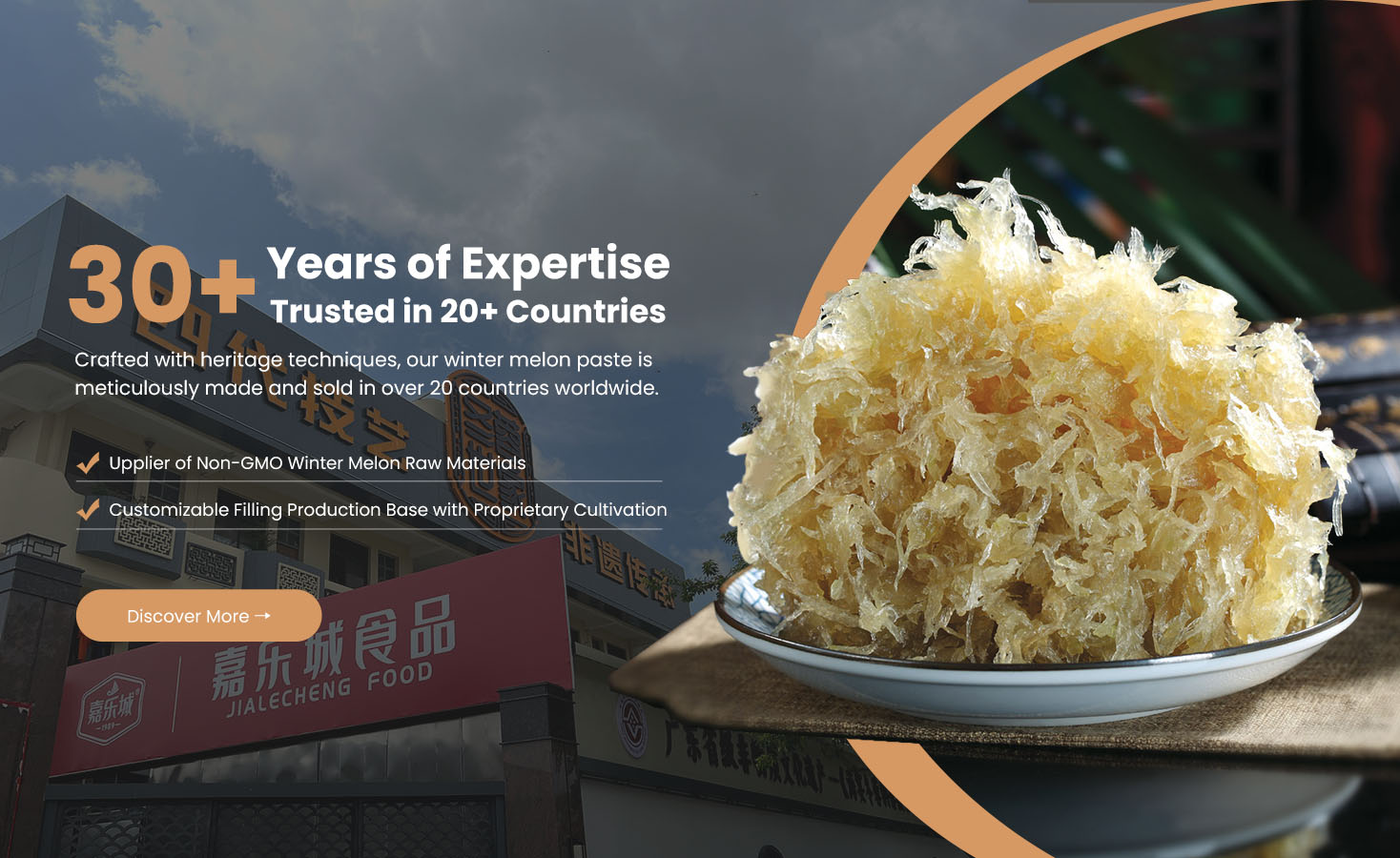
As a professional winter melon paste filling manufacturer, JIALECHENG Foods has focused on filling production since 1989. We combine traditional processing experience with modern quality management systems to develop stable filling solutions for global bakery applications.
Table of Contents
- Why Are Certifications Important For EU Food Export?
- 1. HACCP Certification For Food Safety Control
- 2. ISO 22000 Food Safety Management System
- 3. ISO 9001 Quality Management Certification
- 4. BRCGS And IFS Food Certifications
- 5. Organic Certification For Organic Food Products
- 6. Traceability Documentation Requirements
- 7. Manufacturing Process Overview For Export Compliance
- 8. OEM And ODM Process For EU Market Development
- 9. Quality Control Checkpoints Before EU Export
- 10. Project Sourcing Checklist For EU Food Export
- Building Reliable EU Food Export Capability
Why Are Certifications Important For EU Food Export?
Certifications are not only documents for customs clearance. They represent a manufacturer’s ability to control food safety, maintain production consistency, and provide traceable products.
For EU food export, important certification areas include:
| Certification Area | Main Purpose |
|---|---|
| Food safety management | Control production risks |
| Quality management | Maintain consistent products |
| Hygiene control | Ensure safe processing conditions |
| Traceability system | Track raw materials and production |
| Product documentation | Support market compliance |
The European food safety framework emphasizes traceability, meaning food products should be able to be tracked through every stage of production and distribution.
For manufacturers, certification preparation starts from factory management rather than the export stage.
1. HACCP Certification For Food Safety Control
HACCP is one of the most recognized food safety systems used in food manufacturing. It focuses on identifying potential hazards and establishing preventive controls during production.
A HACCP-based system usually covers:
| Control Point | Purpose |
|---|---|
| Raw material inspection | Verify ingredient safety |
| Production monitoring | Control processing risks |
| Hygiene management | Reduce contamination possibility |
| Critical control points | Prevent food safety problems |
| Record keeping | Support traceability |
For fruit paste and bakery fillings, HACCP principles help manufacturers control risks related to raw materials, moisture, processing temperatures, and packaging.
JIALECHENG applies systematic quality control throughout the production process to maintain stable product safety and consistency.
2. ISO 22000 Food Safety Management System
ISO 22000 combines food safety principles with management system requirements. It helps food manufacturers create a structured approach for controlling hazards and improving production management.
ISO 22000 focuses on:
Food safety planning
Risk assessment
Communication systems
Process monitoring
Continuous improvement
For export-oriented food manufacturers, this system provides a framework for managing food safety throughout the supply chain.
A professional manufacturer with a complete food safety management system can better support international market requirements.
3. ISO 9001 Quality Management Certification
ISO 9001 focuses on quality management and process consistency. While food safety is the primary concern for food exports, quality management is also important for maintaining stable product performance.
ISO 9001 helps manufacturers manage:
| Quality Management Area | Function |
|---|---|
| Production procedures | Standardize operations |
| Inspection processes | Maintain consistency |
| Documentation | Improve traceability |
| Corrective actions | Reduce repeated issues |
JIALECHENG has obtained ISO 9001 certification, supporting consistent manufacturing processes and quality control.
4. BRCGS And IFS Food Certifications
For many European food markets, especially retail-oriented supply chains, BRCGS and IFS certifications are widely recognized quality and food safety standards. These certifications evaluate areas such as hygiene, production control, traceability, and supplier management.
| Certification | Main Focus |
|---|---|
| BRCGS | Food safety, quality, supplier management |
| IFS Food | Product safety, process control, compliance |
These certifications can demonstrate stronger manufacturing capability when developing long-term export projects.
5. Organic Certification For Organic Food Products
If fruit paste products are marketed as organic, additional certification requirements may apply.
Organic certification usually evaluates:
Raw material sources
Agricultural practices
Processing methods
Storage management
Packaging processes
EU organic standards require control over production, processing, and handling procedures to maintain organic integrity.
For standard fruit paste products, organic certification is not always required, but manufacturers must ensure that product claims match regulatory requirements.
6. Traceability Documentation Requirements
Certification alone is not enough. EU food export also requires complete documentation systems.
Important documents include:
| Document | Purpose |
|---|---|
| Ingredient records | Verify raw materials |
| Production records | Track manufacturing |
| Quality inspection reports | Confirm standards |
| Packaging records | Maintain shipment information |
| Export documents | Support customs clearance |
JIALECHENG manages production information from raw materials to finished products, helping maintain traceability throughout manufacturing.
7. Manufacturing Process Overview For Export Compliance
A controlled manufacturing process is the foundation of certification compliance.
For winter melon paste filling production, key stages include:
| Production Stage | Quality Control Purpose |
|---|---|
| Raw material selection | Ensure ingredient quality |
| Cleaning and preparation | Improve hygiene |
| Cooking | Develop stable structure |
| Dehydration | Control moisture |
| Stir frying | Create consistent texture |
| Packaging | Protect product quality |
| Final inspection | Confirm standards |
JIALECHENG follows a complete winter melon paste manufacturing process including cleaning, peeling, pulp removal, cooking, dehydration, and stir-frying.
This structured process supports stable quality for export applications.
8. OEM And ODM Process For EU Market Development
Different European markets may have different expectations regarding taste, texture, packaging, and labeling.
Through OEM and ODM development, manufacturers can customize:
| Customization Area | Purpose |
|---|---|
| Formula adjustment | Match market preferences |
| Texture optimization | Fit different applications |
| Packaging design | Meet market requirements |
| Label information | Support compliance |
Compared with a trader, a direct manufacturer has stronger control over formulation, production records, quality management, and certification systems.
JIALECHENG supports customized filling solutions for different bakery applications, including adjustments in texture, sweetness, packaging, and product specifications.
9. Quality Control Checkpoints Before EU Export
Before shipment, manufacturers should review:
Raw material approval
Production records
Food safety documents
Product specifications
Packaging compliance
Export certificates
For bulk supply projects, consistent certification management helps maintain stable shipments over time.
10. Project Sourcing Checklist For EU Food Export
Before selecting a food manufacturer for EU export, consider:
| Evaluation Item | Importance |
|---|---|
| Factory certifications | Confirm production capability |
| Quality system | Ensure stable performance |
| Documentation ability | Support import procedures |
| Production capacity | Meet supply requirements |
| Customization capability | Develop suitable products |
| Export experience | Reduce compliance risks |
A reliable manufacturer should provide both certified production systems and practical export support.
Building Reliable EU Food Export Capability
EU food export requires more than obtaining certificates. Manufacturers need to combine food safety management, quality control, production technology, documentation systems, and export experience.
A professional filling manufacturer provides more than products. Through OEM/ODM capabilities, controlled manufacturing processes, strict quality checkpoints, and export compliance management, manufacturers can create stable food solutions for international markets.
JIALECHENG Foods combines decades of winter melon paste manufacturing experience with modern production systems to provide reliable, traceable, and export-ready filling solutions for global bakery and food applications.