


How To Ensure Traceability In Food Supply Chain?
Food supply chain traceability is becoming increasingly important for global food manufacturers. For processed food products such as fruit paste, Winter Melon Paste Filling, and bakery ingredients, traceability ensures that every stage from raw material sourcing to finished product delivery can be identified, recorded, and verified.
A reliable traceability system helps manufacturers control food safety risks, improve production transparency, and respond quickly when quality issues occur. The FDA Food Safety Modernization Act emphasizes enhanced traceability records to help identify the movement of certain foods through the supply chain and support faster responses to potential food safety problems.
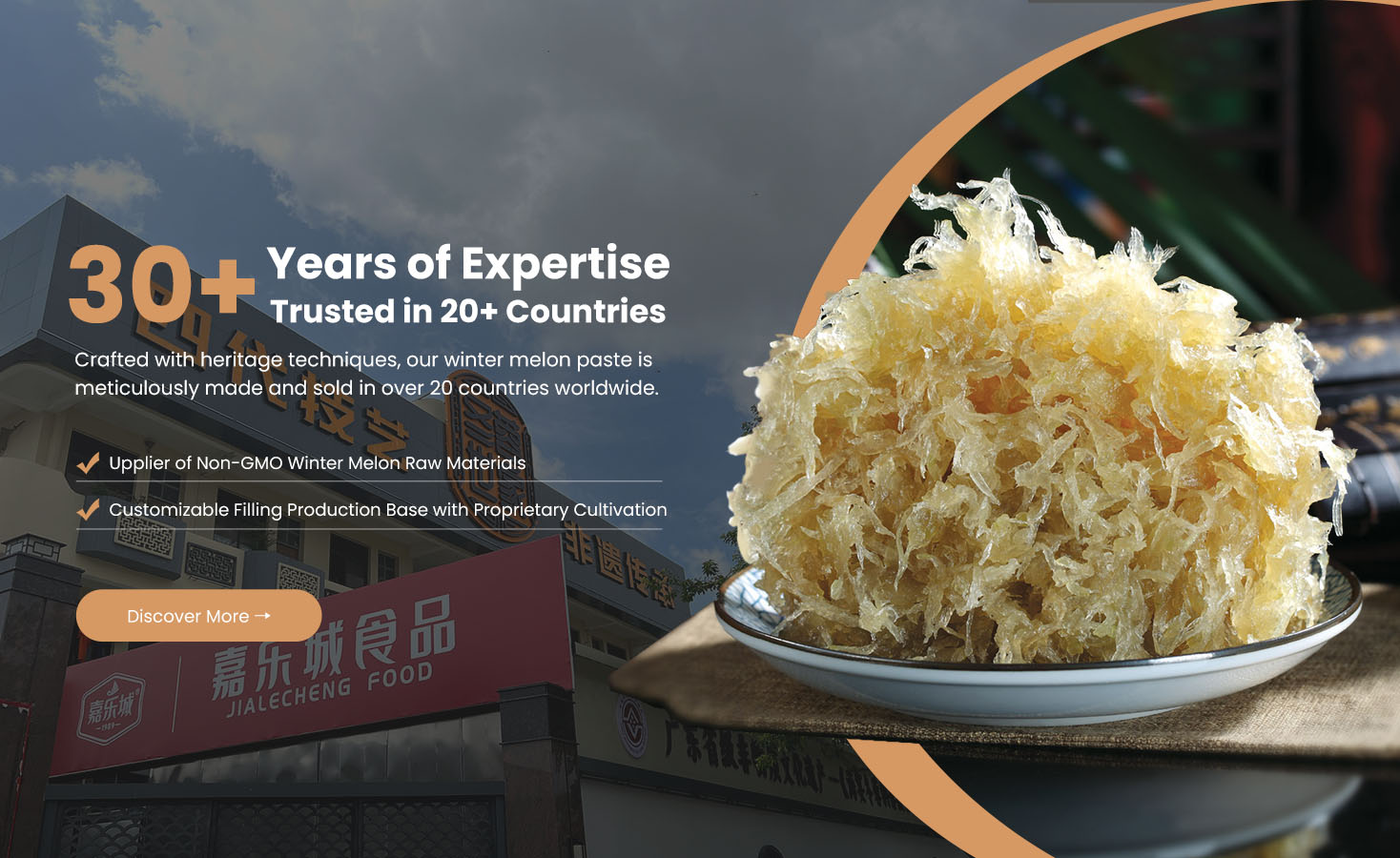
As a professional winter melon paste filling manufacturer, JIALECHENG Foods understands that traceability is not only a documentation requirement but also a core part of manufacturing management. Since 1989, we have focused on filling production with controlled raw materials, standardized processes, and strict quality checkpoints to provide stable food solutions for global markets.
Table of Contents
- Why Is Traceability Important In Food Manufacturing?
- 1. Establish Raw Material Traceability
- 2. Use Batch Management Throughout Production
- 3. Create A Transparent Manufacturing Process
- 4. Implement Quality Control Checkpoints
- 5. Maintain Food Safety Documentation
- 6. Traceability Requirements For OEM And ODM Projects
- 7. Control Packaging And Logistics Information
- 8. Material Standards Used For Traceable Food Production
- 9. Export Market Compliance And Traceability
- 10. Project Sourcing Checklist For Food Traceability
- Building A Reliable Traceable Food Supply Chain
Why Is Traceability Important In Food Manufacturing?
Food traceability allows manufacturers to track where ingredients come from, how products are processed, and where finished goods are shipped.
For food manufacturers, traceability helps achieve:
| Traceability Goal | Manufacturing Benefit |
|---|---|
| Raw material tracking | Verify ingredient sources |
| Production monitoring | Maintain process consistency |
| Batch identification | Support quality control |
| Product recall management | Reduce response time |
| Export compliance | Meet international requirements |
The European Union has required food and feed operators to maintain traceability systems under its General Food Law framework, while the FDA continues to strengthen food tracking requirements through the Food Safety Modernization Act.
For fruit paste manufacturers, a complete traceability system connects agricultural sourcing, processing, packaging, and export documentation.
1. Establish Raw Material Traceability
The first step in food supply chain traceability begins with raw materials. Manufacturers need to know where ingredients come from and how they are managed before entering production.
Important raw material records include:
| Information | Purpose |
|---|---|
| Supplier information | Verify source reliability |
| Harvest records | Track agricultural origin |
| Inspection results | Confirm quality |
| Storage records | Monitor conditions |
| Batch numbers | Enable tracking |
For winter melon paste filling production, raw material quality directly affects flavor, texture, moisture stability, and final product performance.
JIALECHENG manages raw material selection through controlled sourcing and cultivation systems. The company has its own winter melon cultivation base to support stable ingredient quality and production consistency.
2. Use Batch Management Throughout Production
Batch management is one of the most important parts of manufacturing traceability. Each production batch should have a unique identification system.
A complete batch record may include:
| Production Record | Function |
|---|---|
| Raw material batch | Track ingredient usage |
| Production date | Identify processing time |
| Processing parameters | Monitor manufacturing conditions |
| Quality inspection results | Confirm product standards |
| Packaging information | Support shipment tracking |
A professional manufacturer should be able to trace a finished product back to the original ingredients and production process.
JIALECHENG follows controlled production procedures for winter melon paste filling, including raw material inspection, cleaning, preparation, cooking, dehydration, stir-frying, packaging, and final inspection.
3. Create A Transparent Manufacturing Process
Traceability requires more than keeping records. It requires standardized manufacturing processes.
A professional food production system includes:
| Manufacturing Stage | Traceability Focus |
|---|---|
| Raw material inspection | Confirm ingredient quality |
| Cleaning process | Maintain hygiene standards |
| Cooking process | Record production conditions |
| Dehydration | Control moisture level |
| Mixing and processing | Maintain consistency |
| Packaging | Connect product and batch data |
| Final inspection | Verify finished quality |
Manufacturers with internal production control have stronger traceability capability compared with traders because they directly manage processing parameters, quality checks, and production documentation.
4. Implement Quality Control Checkpoints
Quality control is closely connected with traceability. Every inspection result should be linked to a specific production batch.
Important checkpoints include:
| Quality Checkpoint | Traceability Purpose |
|---|---|
| Raw material testing | Confirm incoming quality |
| Moisture testing | Maintain product stability |
| Texture evaluation | Ensure consistency |
| Microbial testing | Support food safety |
| Packaging inspection | Protect product quality |
| Finished product testing | Verify final standards |
For bulk supply projects, consistent quality records help maintain stable shipments and simplify communication between manufacturers and international markets.
5. Maintain Food Safety Documentation
Documentation is the foundation of a reliable traceability system.
Important documents include:
Ingredient records
Production reports
Inspection reports
Packaging records
Shipping documents
Certification documents
Food safety systems such as HACCP and ISO 22000 use documented procedures and monitoring records to help manufacturers control food safety risks throughout production.
JIALECHENG has obtained ISO 9001 certification, WIT certification, and export food qualifications to support international food supply requirements.
6. Traceability Requirements For OEM And ODM Projects
Customized food development requires even stronger traceability management because products may involve customized formulas, packaging, or specifications.
A complete OEM and ODM traceability process includes:
| Development Stage | Traceability Requirement |
|---|---|
| Product concept | Confirm application requirements |
| Formula development | Record ingredient information |
| Sample testing | Maintain testing data |
| Mass production | Track production batches |
| Packaging approval | Verify label information |
Compared with a trader, a direct manufacturer can better control customization records because product development, production, and quality management are connected within the same system.
JIALECHENG supports customized filling solutions according to different applications, including texture, sweetness, packaging, and product specifications.
7. Control Packaging And Logistics Information
Traceability does not stop after production. Packaging and transportation records are also important parts of the food supply chain.
Important logistics information includes:
| Information | Purpose |
|---|---|
| Packaging date | Track shipment timing |
| Batch number | Match products with records |
| Container information | Monitor transportation |
| Storage conditions | Protect product quality |
| Shipping documents | Support export procedures |
For international food exports, maintaining complete logistics information helps improve supply chain transparency.
8. Material Standards Used For Traceable Food Production
Reliable traceability depends on controlling every material entering production.
Manufacturers should evaluate:
Raw material origin
Food-grade standards
Supplier qualifications
Storage conditions
Processing suitability
JIALECHENG focuses on winter melon-based filling solutions and manages product quality from agricultural sourcing to finished products.
9. Export Market Compliance And Traceability
Different markets have different expectations for food traceability.
For export projects, manufacturers should prepare:
| Compliance Area | Purpose |
|---|---|
| Food safety records | Demonstrate production control |
| Ingredient documentation | Verify product composition |
| Quality certificates | Support market requirements |
| Traceability records | Track product history |
| Export documents | Support customs procedures |
The FDA’s traceability requirements aim to improve the ability to quickly identify and remove potentially unsafe food products from the supply chain.
10. Project Sourcing Checklist For Food Traceability
Before starting a food supply project, manufacturers should evaluate:
Raw material management system
Production traceability capability
Quality inspection process
Certification status
Documentation management
Export experience
Customization capability
A reliable manufacturer should provide not only products but also transparent production information.
Building A Reliable Traceable Food Supply Chain
Ensuring traceability in the food supply chain requires cooperation between raw material control, manufacturing processes, quality management, and export compliance.
A professional food manufacturer provides more than finished fillings. Through OEM/ODM capabilities, standardized manufacturing processes, strict quality checkpoints, and complete traceability systems, manufacturers can create reliable food solutions for global markets.
JIALECHENG Foods combines decades of winter melon paste manufacturing experience with modern production systems to provide stable, traceable, and export-ready filling solutions for bakery and food applications worldwide.