


How To Reduce Risks In Importing Food Ingredients?
Importing food ingredients across international markets requires careful management of quality, compliance, documentation, and supply chain risks. For products such as fruit paste, Winter Melon Paste Filling, and bakery ingredients, import risks can occur at every stage, from raw material sourcing and manufacturing to transportation and customs clearance.
A reliable food ingredient supply chain depends on transparency and preventive management. The global food traceability market is expected to continue growing as regulations and food safety requirements become stricter, with traceability systems increasingly used to reduce contamination risks, improve transparency, and support international compliance.
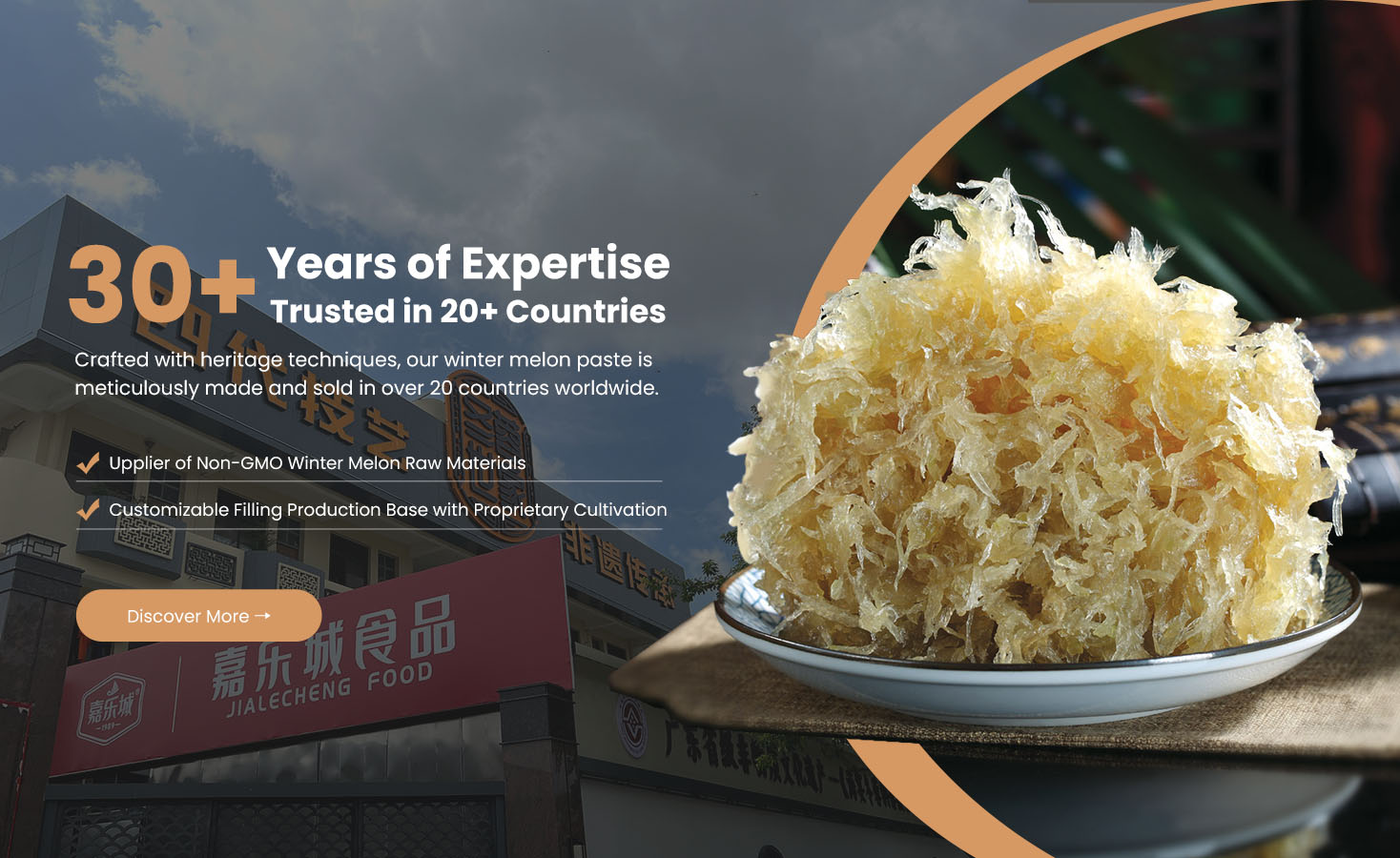
As a professional winter melon paste filling manufacturer, JIALECHENG Foods understands that reducing import risks requires more than producing quality products. It requires stable raw materials, controlled manufacturing processes, complete documentation, and export experience. Since 1989, we have focused on filling production and developed systematic quality management for global bakery applications.
Table of Contents
- Why Do Food Ingredient Imports Face Risks?
- 1. Select A Reliable Food Ingredient Manufacturer
- 2. Verify Raw Material Quality And Supply Stability
- 3. Review Food Safety Certifications And Quality Systems
- 4. Understand Import Documentation Requirements
- 5. Control Manufacturing Process Risks
- 6. Improve Traceability Throughout The Supply Chain
- 7. Manage OEM And ODM Development Risks
- 8. Evaluate Packaging And Transportation Conditions
- 9. Prepare For Export Market Compliance
- 10. Food Ingredient Import Risk Checklist
- Building A Reliable Food Ingredient Supply Chain
Why Do Food Ingredient Imports Face Risks?
International food supply chains involve multiple stages, including farming, processing, packaging, transportation, and customs inspection. Any weak point can affect product quality or shipment efficiency.
Common import risks include:
| Risk Area | Possible Impact |
|---|---|
| Raw material inconsistency | Product quality variation |
| Incomplete documentation | Customs delays |
| Poor traceability | Difficult problem investigation |
| Packaging problems | Product damage during transport |
| Regulatory differences | Import compliance issues |
Food traceability has become a key tool for managing these risks because it allows manufacturers and regulators to track products through different supply chain stages. The FDA’s Food Traceability Rule requires certain food supply chain participants to maintain records connected to critical tracking events and key data elements.
1. Select A Reliable Food Ingredient Manufacturer
Choosing the right manufacturer is the first step in reducing import risks. A direct manufacturer provides better control over production processes, quality management, and documentation compared with a trader.
Important evaluation factors include:
| Evaluation Area | Purpose |
|---|---|
| Factory capability | Confirm production stability |
| Quality system | Ensure consistent products |
| Raw material management | Control ingredient quality |
| Export experience | Reduce compliance risks |
| Customization ability | Support different applications |
A manufacturer with internal production control can manage formulation, processing, testing, and packaging more effectively.
JIALECHENG controls the complete winter melon paste filling process from raw material selection to finished product inspection, helping maintain consistent quality across shipments.
2. Verify Raw Material Quality And Supply Stability
Food ingredient risks often begin with raw materials. Different agricultural conditions, suppliers, and storage environments can affect product performance.
Important raw material controls include:
| Control Item | Purpose |
|---|---|
| Ingredient origin | Improve traceability |
| Supplier management | Ensure reliability |
| Quality inspection | Confirm standards |
| Storage conditions | Maintain freshness |
| Batch records | Support tracking |
For winter melon paste production, raw material characteristics influence flavor, fiber structure, moisture level, and final texture.
JIALECHENG manages winter melon raw materials through controlled sourcing systems and its own cultivation base to support stable ingredient quality.
3. Review Food Safety Certifications And Quality Systems
Food ingredient imports require confidence that products are manufactured under controlled conditions.
Common quality systems include:
| System | Main Function |
|---|---|
| HACCP | Identify and control food safety hazards |
| ISO 9001 | Manage quality consistency |
| ISO 22000 | Control food safety management |
Food safety management systems help manufacturers establish preventive controls rather than only testing finished products. ISO 22000 provides requirements for organizations throughout the food chain to establish food safety management systems.
JIALECHENG has obtained ISO 9001 certification, WIT certification, and export food qualifications to support international market requirements.
4. Understand Import Documentation Requirements
Documentation errors are one of the most common causes of shipment delays.
Important import documents include:
| Document | Purpose |
|---|---|
| Commercial invoice | Confirm transaction details |
| Packing list | Verify shipment information |
| Certificate of origin | Confirm production location |
| Product specification | Explain product characteristics |
| Inspection reports | Verify quality standards |
| Certification documents | Support compliance |
For bulk food ingredient supply, document accuracy is especially important because repeated shipments require consistent information.
5. Control Manufacturing Process Risks
A stable manufacturing process reduces risks before products leave the factory.
A professional fruit paste production process includes:
| Production Stage | Risk Control Focus |
|---|---|
| Raw material inspection | Verify ingredient quality |
| Cleaning | Maintain hygiene |
| Cooking | Control processing conditions |
| Dehydration | Manage moisture |
| Stir frying | Develop stable texture |
| Packaging | Protect product quality |
| Final inspection | Confirm standards |
JIALECHENG follows a complete winter melon paste manufacturing process including cleaning, peeling, pulp removal, cutting, cooking, dehydration, stir-frying, packaging, and inspection.
This structured process helps reduce quality variation during international supply.
6. Improve Traceability Throughout The Supply Chain
Traceability allows manufacturers and import partners to identify product information quickly when problems occur.
A complete traceability system should include:
| Traceability Information | Purpose |
|---|---|
| Raw material batch | Track ingredient sources |
| Production records | Review manufacturing history |
| Inspection data | Confirm quality |
| Packaging records | Match shipment information |
| Logistics records | Track transportation |
Traceability is increasingly important because it supports food safety management and helps reduce risks across complex international supply chains.
7. Manage OEM And ODM Development Risks
Customized food ingredient projects require additional planning because formulas, packaging, and specifications may differ between markets.
A professional OEM and ODM process should include:
| Development Stage | Risk Control |
|---|---|
| Product planning | Confirm requirements |
| Formula development | Verify ingredient compliance |
| Sample testing | Evaluate performance |
| Mass production | Maintain consistency |
| Packaging approval | Confirm labeling |
Compared with a trader, a direct manufacturer can better manage customization because product development and production data are controlled internally.
JIALECHENG supports customized filling solutions according to different applications, including texture, sweetness, packaging, and product specifications.
8. Evaluate Packaging And Transportation Conditions
Transportation conditions can influence ingredient quality, especially for products requiring controlled storage.
Important considerations include:
Packaging material safety
Moisture protection
Temperature requirements
Transportation duration
Storage conditions
A suitable packaging system protects products from damage during international shipping.
9. Prepare For Export Market Compliance
Different countries have different requirements for imported food ingredients.
Before shipment, manufacturers should review:
| Compliance Area | Purpose |
|---|---|
| Food regulations | Meet destination requirements |
| Labeling standards | Avoid compliance issues |
| Documentation | Support customs clearance |
| Testing requirements | Verify product safety |
| Packaging standards | Protect products |
The European Union, United States, and other major markets continue to strengthen food safety controls and traceability expectations for imported food products.
10. Food Ingredient Import Risk Checklist
Before starting an import project, consider:
| Checklist Item | Importance |
|---|---|
| Manufacturer background | Confirm production capability |
| Certifications | Verify quality management |
| Product specifications | Avoid misunderstanding |
| Documentation system | Support customs clearance |
| Packaging requirements | Protect product quality |
| Supply capacity | Ensure long-term stability |
A complete evaluation process helps reduce unexpected problems during international trade.
Building A Reliable Food Ingredient Supply Chain
Reducing risks in importing food ingredients requires cooperation between manufacturing capability, quality systems, documentation management, and export experience.
A professional food manufacturer provides more than ingredients. Through OEM/ODM capabilities, controlled manufacturing processes, quality checkpoints, and export compliance management, manufacturers can create stable and reliable food ingredient solutions for global markets.
JIALECHENG Foods combines decades of winter melon paste filling experience with modern production systems to provide traceable, consistent, and export-ready filling solutions for bakery and food applications worldwide.