


What Packaging Standards Apply For Frozen Fillings?
Frozen fillings require more than low-temperature storage capability. The packaging system must protect the product from moisture loss, contamination, physical damage, and quality changes during freezing, transportation, and storage.
For frozen fruit paste, Winter Melon Paste Filling, and bakery filling products, packaging standards directly influence shelf stability, texture retention, and export compliance. A suitable package needs to maintain product quality under freezing conditions while meeting food contact material regulations in different markets.
Food packaging regulations in major markets focus on whether packaging materials are safe for direct food contact and whether substances from packaging can migrate into food beyond permitted limits. The FDA regulates food contact substances, while the European Union controls food contact materials through migration limits and safety requirements.
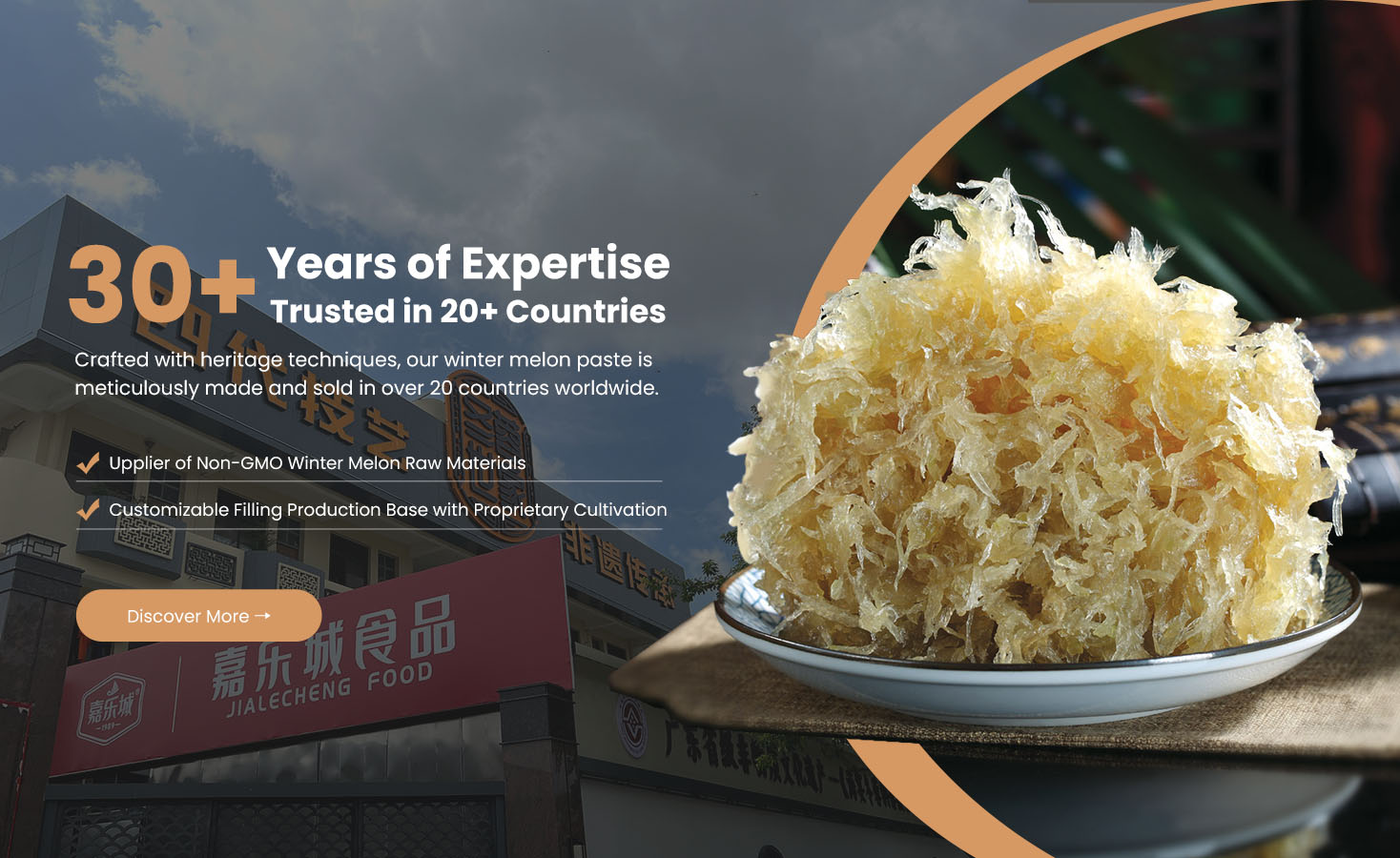
As a professional winter melon paste filling manufacturer, JIALECHENG Foods understands that packaging is an important part of product development. Since 1989, we have focused on filling production, combining controlled manufacturing processes with quality management systems to provide stable filling solutions for global bakery applications.
Table of Contents
- Why Are Packaging Standards Important For Frozen Fillings?
- 1. Use Food-Grade Packaging Materials
- 2. Control Moisture Migration During Frozen Storage
- 3. Select Packaging According To Product Application
- 4. Consider Packaging Performance During Export Transportation
- 5. Manufacturing Process Overview For Frozen Filling Packaging
- 6. Quality Control Checkpoints For Frozen Filling Packaging
- 7. OEM And ODM Packaging Development Process
- 8. Material Standards Used For Export Frozen Fillings
- 9. Export Market Compliance For Frozen Filling Packaging
- 10. Project Sourcing Checklist For Frozen Fillings
- Building Reliable Frozen Filling Solutions Through Manufacturing Expertise
Why Are Packaging Standards Important For Frozen Fillings?
Frozen fillings experience repeated temperature changes during production, storage, and transportation. Without suitable packaging, products may suffer from freezer burn, moisture migration, texture changes, or contamination risks.
A suitable frozen filling package should provide:
| Packaging Requirement | Purpose |
|---|---|
| Moisture barrier | Prevent water loss and ice formation |
| Food contact safety | Protect product safety |
| Low-temperature resistance | Prevent cracking or damage |
| Sealing performance | Reduce contamination risk |
| Transportation durability | Maintain product condition |
Research on frozen food packaging shows that packaging must protect products from contamination, moisture loss, and quality deterioration throughout the supply chain.
For manufacturers, packaging selection should be considered during product development rather than after production.
1. Use Food-Grade Packaging Materials
The first requirement for frozen fillings is selecting materials that are suitable for food contact.
Food-grade packaging materials should meet:
| Material Standard | Purpose |
|---|---|
| Food contact approval | Ensure safety |
| Chemical stability | Prevent unwanted migration |
| Low-temperature performance | Maintain package integrity |
| Barrier performance | Protect product quality |
The FDA defines food contact substances as materials intended to be used in manufacturing, packing, packaging, transporting, or holding food, and these materials must comply with applicable safety requirements.
For frozen winter melon paste fillings, packaging materials need to maintain product quality during long-distance transportation and frozen storage.
2. Control Moisture Migration During Frozen Storage
Moisture control is one of the most important packaging functions for frozen fillings.
During freezing and thawing cycles, poor packaging may cause:
Ice crystal formation
Texture changes
Surface drying
Flavor loss
| Packaging Performance | Effect On Filling |
|---|---|
| Strong moisture barrier | Better texture retention |
| Weak sealing | Higher moisture loss risk |
| Poor material stability | Possible package damage |
Frozen food packaging materials are commonly designed with moisture vapor resistance because preventing water loss helps maintain flavor, color, and texture quality.
JIALECHENG controls filling texture and moisture during production so that packaging can better preserve product characteristics.
3. Select Packaging According To Product Application
Different filling applications require different packaging solutions.
For example:
| Application | Packaging Consideration |
|---|---|
| Mooncake filling | Texture protection and easy handling |
| pastry filling | Moisture and freshness control |
| Frozen bakery filling | Low-temperature durability |
| Bulk filling supply | Transportation protection |
A professional manufacturer evaluates packaging together with product formulation, storage conditions, and transportation requirements.
4. Consider Packaging Performance During Export Transportation
Frozen fillings may travel long distances before reaching the final destination. Packaging needs to withstand:
Freezing temperatures
Container transportation
Handling processes
Storage conditions
Temperature fluctuations
A complete packaging system includes:
| Packaging Layer | Function |
|---|---|
| Primary packaging | Direct product protection |
| Secondary packaging | Group handling |
| Transportation packaging | Shipping protection |
For international frozen food transportation, packaging must maintain product integrity from factory loading to final delivery.
5. Manufacturing Process Overview For Frozen Filling Packaging
Packaging quality depends on the entire manufacturing process.
A professional frozen filling production process includes:
| Production Stage | Packaging Quality Control |
|---|---|
| Raw material inspection | Verify ingredient quality |
| Filling production | Maintain product consistency |
| Cooling process | Stabilize filling structure |
| Packaging | Prevent contamination |
| Storage | Maintain frozen condition |
| Final inspection | Confirm shipment quality |
JIALECHENG follows a controlled winter melon paste manufacturing process including raw material selection, cleaning, preparation, cooking, dehydration, stir-frying, packaging, and inspection.
This structured process helps maintain consistent product performance before freezing.
6. Quality Control Checkpoints For Frozen Filling Packaging
Packaging inspection should be included in the overall quality management system.
Important checkpoints include:
| Quality Checkpoint | Purpose |
|---|---|
| Packaging material inspection | Confirm food safety |
| Seal testing | Prevent leakage |
| Appearance inspection | Detect damage |
| Storage testing | Verify stability |
| Batch tracking | Support traceability |
For bulk supply projects, consistent packaging quality helps reduce transportation risks and maintain stable deliveries.
7. OEM And ODM Packaging Development Process
Customized frozen filling projects often require customized packaging solutions.
Through OEM and ODM development, manufacturers can support:
| Customization Area | Development Focus |
|---|---|
| Package size | Match production needs |
| Label design | Meet market regulations |
| Material selection | Improve storage performance |
| Product specification | Support application requirements |
Compared with a trader, a direct manufacturer can better coordinate formulation, packaging, production, and quality control because these processes are managed within the same manufacturing system.
JIALECHENG supports customized filling solutions based on different product applications, including texture, sweetness, packaging, and export requirements.
8. Material Standards Used For Export Frozen Fillings
Export markets have strict requirements for food packaging materials.
Important considerations include:
Food contact compliance
Migration safety
Packaging durability
Storage suitability
Transportation performance
The EU requires food contact materials to be manufactured under good manufacturing practices and ensures substances do not migrate into food at levels that could endanger health or change food characteristics.
9. Export Market Compliance For Frozen Filling Packaging
Different countries may have different packaging requirements.
Common export considerations include:
| Compliance Area | Purpose |
|---|---|
| Food contact standards | Ensure packaging safety |
| Label requirements | Meet market regulations |
| Documentation | Support customs clearance |
| Testing reports | Demonstrate compliance |
A professional manufacturer should prepare packaging documentation before shipment.
10. Project Sourcing Checklist For Frozen Fillings
Before developing a frozen filling project, consider:
Product application
Storage temperature
Packaging format
Transportation distance
Shelf life requirement
Export destination
Label requirements
Quality standards
Early planning helps manufacturers develop packaging solutions that match real production conditions.
Building Reliable Frozen Filling Solutions Through Manufacturing Expertise
Packaging standards for frozen fillings involve more than choosing a container. They require a complete system covering material selection, manufacturing control, quality inspection, storage performance, and export compliance.
A professional filling manufacturer provides more than products. Through OEM/ODM capabilities, controlled manufacturing processes, quality checkpoints, and packaging management, manufacturers can create stable frozen filling solutions for international markets.
JIALECHENG Foods combines decades of winter melon paste manufacturing experience with modern production systems to provide reliable, traceable, and export-ready filling solutions for global bakery and food applications.