



Cream Filling vs Winter Melon Filling: Which Provides Better Shelf Stability?
Winter Melon Filling generally provides better shelf stability for many bakery applications because of its stable structure and wider storage adaptability, while cream filling offers a rich texture experience with different preservation requirements.
Table of Contents
- What Is the Difference Between Cream Filling and Winter Melon Filling?
- Which Filling Provides Better Shelf Stability?
- Which Filling Performs Better During Storage and Transportation?
- Which Filling Is More Suitable for Large-Scale Bakery Production?
- Which Filling Offers Better Application Flexibility?
- Which Filling Provides Better Customization Opportunities?
- Why Does Shelf Stability Matter for Bakery Manufacturers?
- How Should Buyers Choose Between Cream Filling and Winter Melon Filling?
- Conclusion
What Is the Difference Between Cream Filling and Winter Melon Filling?
Cream filling and winter melon filling are two common choices for bakery products, but they have different characteristics in formulation and storage performance.
Cream filling is usually made with dairy-based or cream-based ingredients and is known for its smooth, rich, and creamy taste. It is widely used in cakes, pastries, and dessert products that require a soft and indulgent texture.
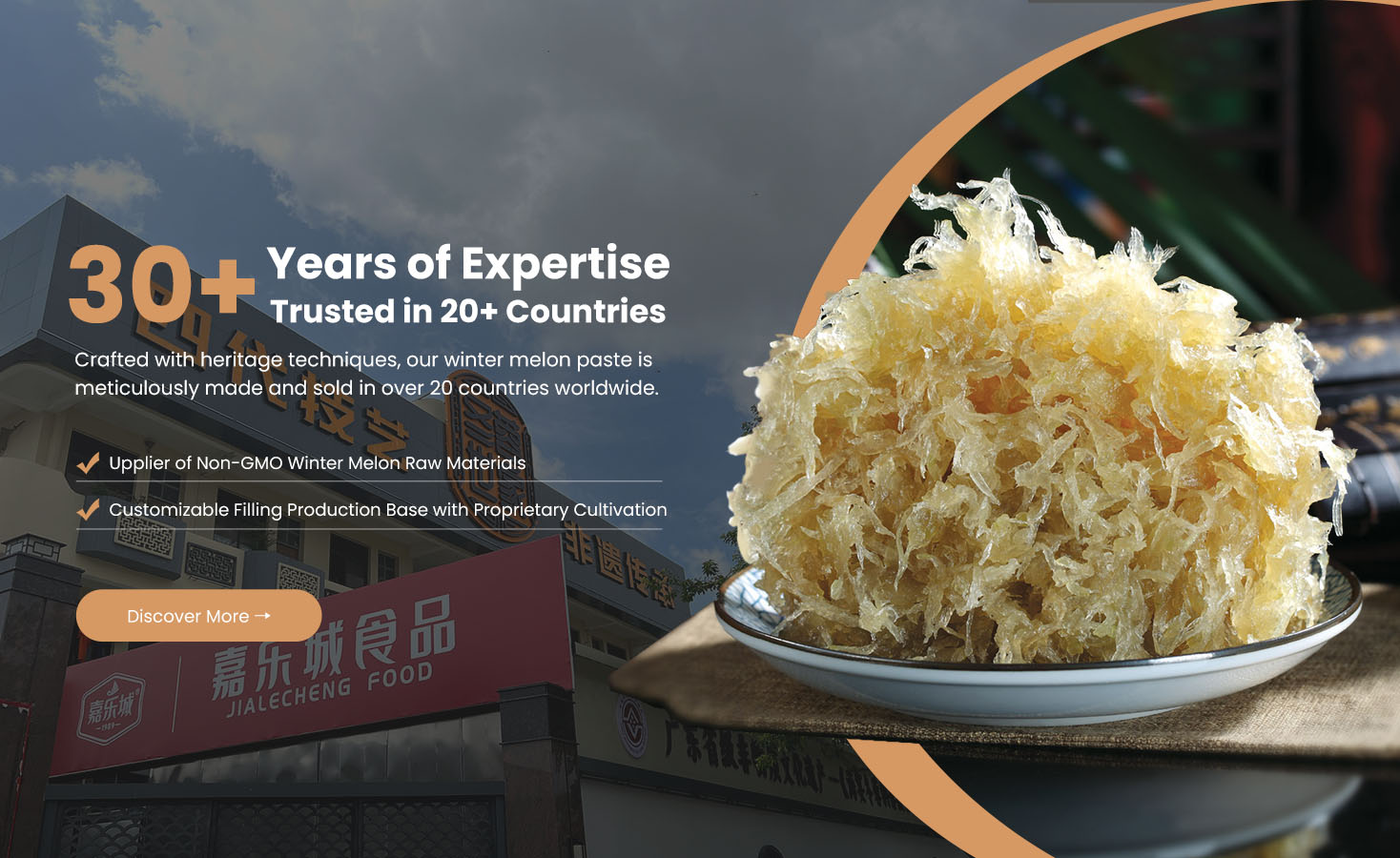
winter melon filling is made from processed winter melon and provides a smooth texture, balanced sweetness, and stable structure. It is commonly used in mooncakes, traditional pastries, baked snacks, and various bakery applications.
The main difference is that cream filling focuses on freshness and rich mouthfeel, while winter melon filling emphasizes stability, versatility, and longer application adaptability.
Which Filling Provides Better Shelf Stability?
Shelf stability is an important factor for commercial bakery production.
Winter melon filling generally provides advantages because its formulation can be controlled for moisture balance, texture consistency, and storage performance. These characteristics help maintain product quality during storage and transportation.
Cream filling often contains dairy components or moisture-sensitive ingredients, which can require stricter temperature control and shorter storage periods depending on the formulation.
For products requiring longer distribution cycles, winter melon filling offers stronger stability advantages.
Which Filling Performs Better During Storage and Transportation?
Storage and transportation conditions directly affect product quality.
Winter melon filling is suitable for products that need to travel across different regions because its stable texture helps reduce quality changes during handling.
Cream filling usually requires more careful storage management, especially when products are distributed through long supply chains. Temperature control may become an important factor in maintaining freshness.
| Comparison Factor | Cream Filling | Winter Melon Filling |
|---|---|---|
| Texture | Soft and creamy | Smooth and stable |
| Storage Requirement | Often requires stricter control | More flexible |
| Transportation Adaptability | Depends on formulation | Generally suitable for wider distribution |
| Main Advantage | Rich taste experience | Stable performance |
For manufacturers focusing on supply flexibility, winter melon filling provides practical advantages.
Which Filling Is More Suitable for Large-Scale Bakery Production?
Commercial production requires consistent ingredients and predictable performance.
Winter melon filling supports large-scale manufacturing because its texture and formulation can be standardized. It can be used across different production batches while maintaining similar quality.
Cream filling can also be produced commercially, but maintaining consistent freshness and storage performance may require additional management.
For manufacturers producing large volumes of bakery products, winter melon filling provides easier production planning.
Which Filling Offers Better Application Flexibility?
Different bakery products require different filling characteristics.
Winter melon filling can be used in:
Mooncakes
Traditional pastries
Baked desserts
Cakes
Customized bakery products
Its balanced flavor allows it to work with different product concepts.
Cream filling is commonly used in:
Cream cakes
Layer desserts
Fresh pastries
Chilled bakery products
It performs well when freshness and creamy texture are the main selling points.
For brands developing various bakery products, winter melon filling offers broader application flexibility.
Which Filling Provides Better Customization Opportunities?
Customization helps manufacturers meet different market requirements.
Winter melon filling can be adjusted in sweetness, texture, and formulation according to product needs. This makes it suitable for OEM projects and different bakery applications.
Cream filling customization often focuses on flavor variations, richness, and texture adjustments, but storage requirements may limit certain applications.
For brands seeking flexible product development with stable performance, winter melon filling provides strong advantages.
Why Does Shelf Stability Matter for Bakery Manufacturers?
Shelf stability affects production efficiency, distribution range, and customer experience.
A filling with stable storage characteristics allows manufacturers to manage inventory more effectively and supply products to wider markets.
Winter melon filling combines traditional flavor characteristics with commercial production advantages, making it suitable for manufacturers seeking reliable bakery ingredients.
Professional suppliers support quality consistency through controlled raw materials, standardized processing, and customized solutions.
How Should Buyers Choose Between Cream Filling and Winter Melon Filling?
The choice depends on product requirements:
Choose cream filling for products focused on fresh taste, rich texture, and premium dessert experiences.
Choose winter melon filling for products requiring stable storage, flexible applications, and reliable distribution.
Consider product type, storage conditions, and target markets before selecting a filling.
For bakery manufacturers prioritizing shelf stability and supply flexibility, winter melon filling provides a practical solution.
Conclusion
Cream filling and winter melon filling each provide different advantages. Cream filling delivers a rich and indulgent taste experience, while winter melon filling offers stronger shelf stability, wider applications, and better production adaptability. For manufacturers developing bakery products with longer storage and distribution requirements, winter melon filling is a reliable choice.