



Sweet Filling Paste vs Savory Filling Paste: Which Has Wider Food Applications?
sweet filling paste generally has wider applications across bakery and dessert products, while savory filling paste is more suitable for specific food categories requiring stronger seasoning characteristics.
Table of Contents
- What Is the Difference Between sweet filling Paste and Savory Filling Paste?
- Which Filling Category Has More Food Applications?
- Why Does Sweet Filling Paste Perform Well in Bakery Applications?
- Which Filling Provides Better Product Development Flexibility?
- Which Filling Is More Suitable for Traditional Food Production?
- Which Filling Better Supports Export Food Markets?
- Why Is Filling Selection Important for Food Manufacturers?
- How Should Buyers Choose Between Sweet and Savory Filling Paste?
- Conclusion
What Is the Difference Between sweet filling Paste and Savory Filling Paste?
Sweet filling paste and savory filling paste are two major filling categories used in food production, but they serve different product purposes.
Sweet filling paste is mainly used in desserts, pastries, baked goods, and traditional foods. winter melon paste, lotus paste, fruit-based fillings, and other sweet formulations belong to this category. They focus on balanced sweetness, smooth texture, and compatibility with bakery products.
Savory filling paste is developed for products where salty, spicy, or umami flavors are required. It is commonly used in buns, savory pastries, prepared foods, and snack products.
The main difference is that sweet filling paste focuses on dessert and bakery applications, while savory filling paste targets products requiring stronger savory flavor profiles.
Which Filling Category Has More Food Applications?
Application range is an important factor for food manufacturers selecting ingredients.
Sweet filling paste supports a wide variety of products, including:
Mooncakes
Pastries
Cakes
Cookies
Dessert products
Traditional baked goods
Its balanced flavor and smooth texture allow it to work across different product categories.
Savory filling paste is widely used in products such as meat pastries, savory snacks, and stuffed foods. However, its application depends more heavily on specific flavor requirements.
For manufacturers serving multiple food categories, sweet filling paste provides broader application flexibility.
Why Does Sweet Filling Paste Perform Well in Bakery Applications?
Bakery products require fillings that provide good taste, texture, and processing stability.
Sweet filling paste is suitable because it can be formulated with different sweetness levels and textures. It works well with baking processes and can complement various outer layers and ingredients.
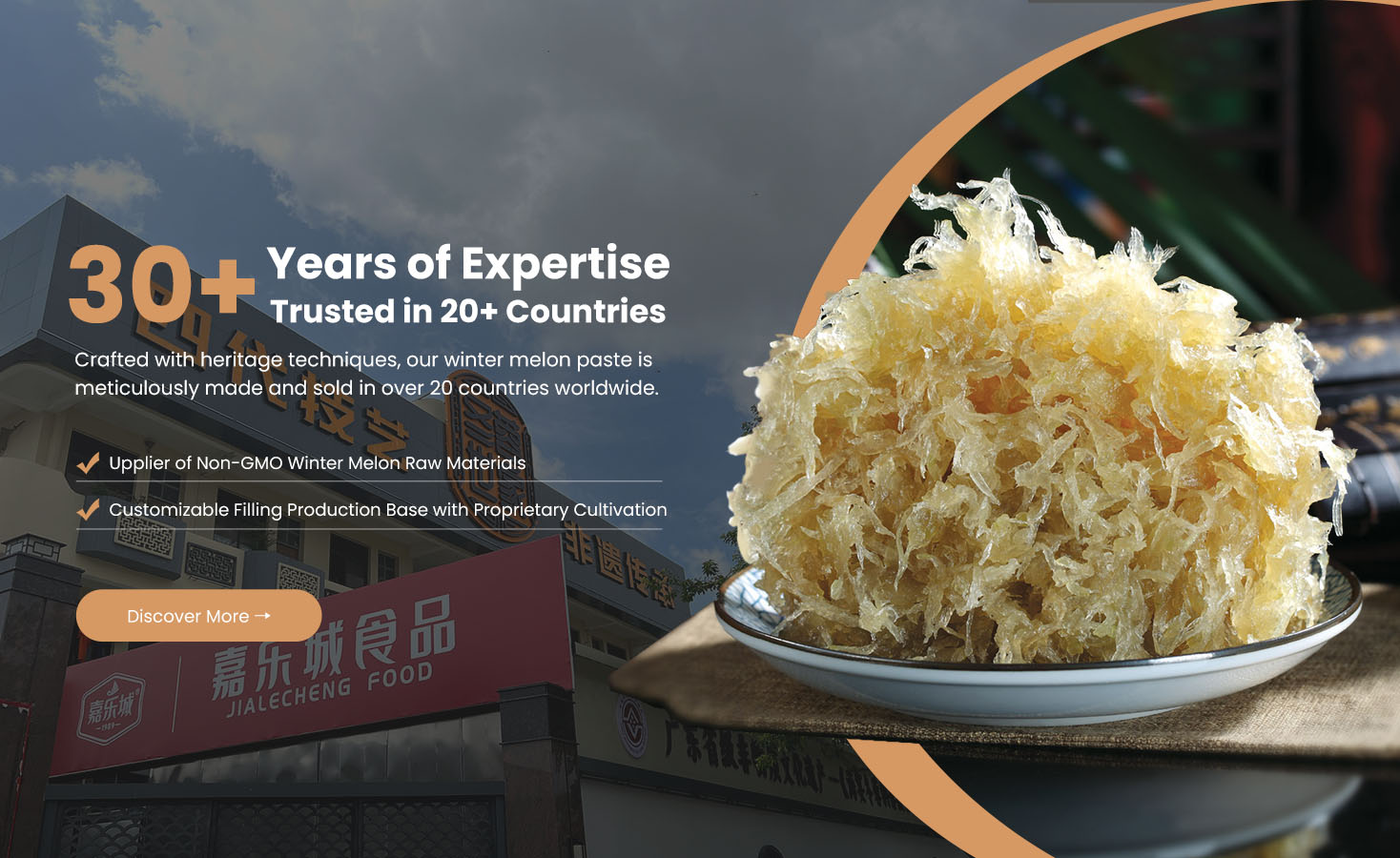
winter melon paste, for example, provides a smooth texture and balanced sweetness that supports traditional pastries and modern bakery products.
Savory fillings are valuable for specific products but usually require stronger flavor matching with the overall recipe.
Which Filling Provides Better Product Development Flexibility?
Food brands increasingly focus on developing unique products.
Sweet filling paste provides strong flexibility because manufacturers can create different combinations through adjustments in flavor, sweetness, texture, and ingredients.
Savory filling paste also supports innovation, especially in snack foods and prepared meals, but its applications are more dependent on specific consumer preferences.
| Comparison Factor | Sweet Filling Paste | Savory Filling Paste |
|---|---|---|
| Main Applications | Bakery and desserts | Savory foods and snacks |
| Flavor Direction | Sweet and balanced | Salty, spicy, or savory |
| Product Range | Broad | More category focused |
| Customization | High flexibility | Depends on recipe requirements |
For brands developing diverse product lines, sweet filling paste offers wider possibilities.
Which Filling Is More Suitable for Traditional Food Production?
Traditional foods often rely on established flavor preferences.
Sweet filling paste has strong connections with traditional products such as mooncakes and pastries. It allows manufacturers to maintain classic flavors while adapting recipes for modern markets.
Savory filling paste is also important in traditional foods, especially regional snacks and savory pastries.
The better choice depends on the product category and target consumers.
Which Filling Better Supports Export Food Markets?
Export markets require products that can appeal to different consumer groups.
Sweet filling paste has advantages because bakery and dessert products have broad global demand. Mild sweetness and adaptable flavors make products easier to adjust for different markets.
Savory filling paste may perform strongly in specific regions where particular flavors are preferred but may require more market adaptation.
For manufacturers developing international food products, sweet filling paste offers greater flexibility.
Why Is Filling Selection Important for Food Manufacturers?
The filling affects product quality, consumer experience, and production efficiency.
Manufacturers need to consider application range, processing requirements, storage conditions, and market positioning when selecting a filling solution.
Professional filling manufacturers provide customized formulations to help brands develop products that match specific requirements.
Sweet filling paste, especially winter melon-based solutions, combines traditional characteristics with modern manufacturing flexibility.
How Should Buyers Choose Between Sweet and Savory Filling Paste?
The choice depends on the product strategy:
Choose sweet filling paste for bakery products, desserts, and traditional sweet foods.
Choose savory filling paste for snacks, stuffed foods, and products requiring stronger savory flavors.
Consider target markets, product categories, and consumer preferences before selecting a filling.
For manufacturers seeking wider food applications and product development opportunities, sweet filling paste provides significant advantages.
Conclusion
Sweet filling paste and savory filling paste both play important roles in food production. Savory filling paste provides strong value for specific food categories, while sweet filling paste offers broader applications across bakery, dessert, and traditional food markets. For manufacturers developing diverse products, sweet filling paste provides greater flexibility and market opportunities.