


How To Pass Customs Inspection For Food Products?
Passing customs inspection is an important step for food products entering international markets. For fruit paste, Winter Melon Paste Filling, and bakery ingredients, successful clearance depends on more than product quality. Manufacturers need to prepare complete documentation, maintain food safety control, and ensure that every shipment meets import regulations.
Customs authorities and food safety agencies typically review product information, shipping documents, labeling, ingredient compliance, and manufacturing records. For example, the U.S. FDA requires imported food products to be safe, properly labeled, produced under sanitary conditions, and compliant with applicable regulations before entering the market.
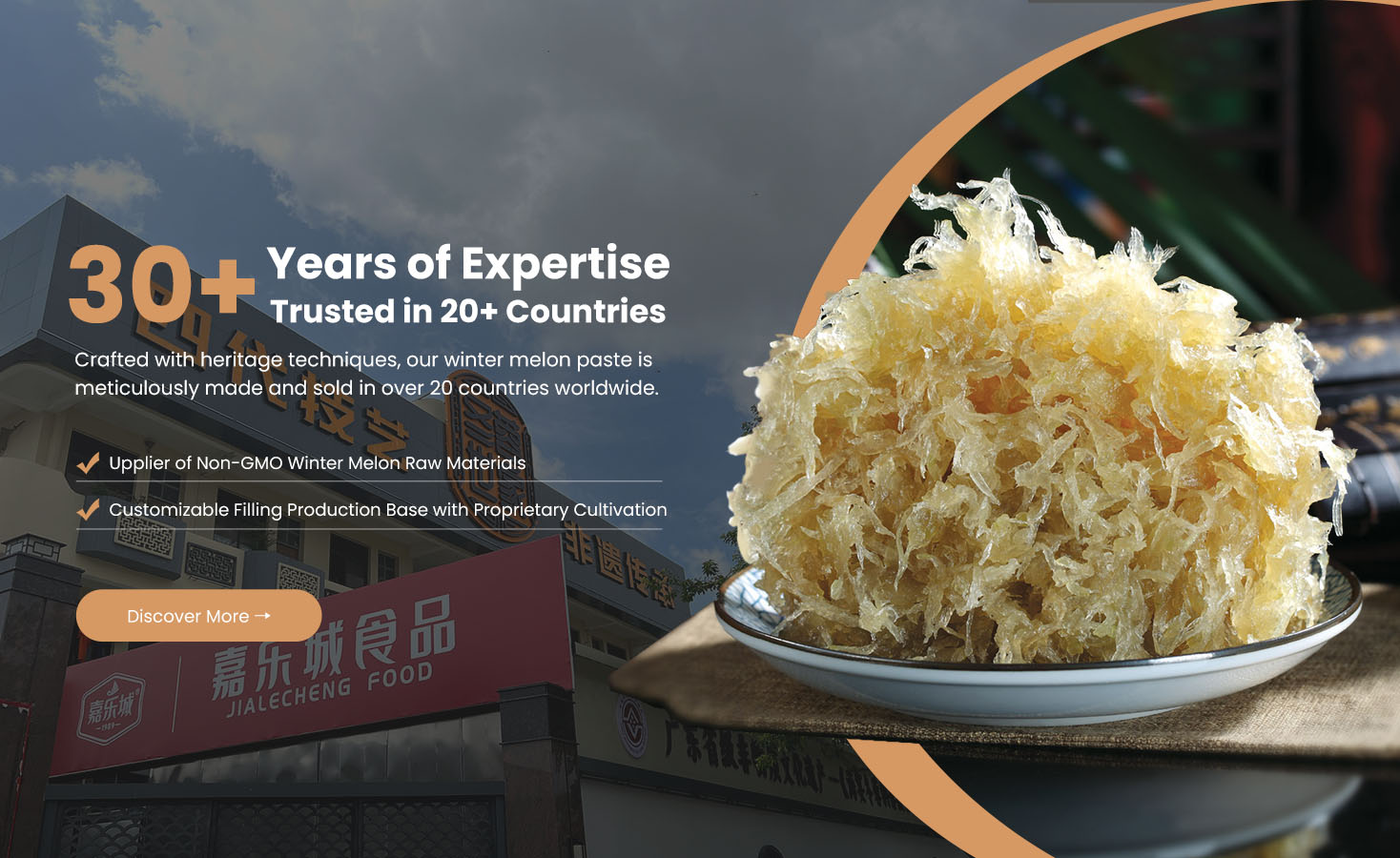
As a professional winter melon paste filling manufacturer, JIALECHENG Foods understands that export success requires both manufacturing capability and compliance management. Since 1989, we have focused on filling production, combining traditional processing experience with modern quality systems to provide stable and traceable filling solutions for global bakery applications.
Table of Contents
- Why Do Food Products Fail Customs Inspection?
- 1. Prepare Complete Export Documentation
- 2. Ensure Accurate Product Labeling
- 3. Maintain Food Safety Management Systems
- 4. Control Raw Material Standards
- 5. Follow A Standardized Manufacturing Process
- 6. Strengthen Quality Control Checkpoints
- 7. Prepare Export Certificates And Compliance Documents
- 8. Manage OEM And ODM Export Projects Correctly
- 9. Improve Packaging And Transportation Management
- 10. Food Export Inspection Checklist
- Building Reliable Customs Clearance Capability
Why Do Food Products Fail Customs Inspection?
Food shipments may face inspection issues when documents, labels, product information, or safety requirements do not match regulatory expectations.
Common reasons include:
| Inspection Issue | Possible Result |
|---|---|
| Incorrect documentation | Customs clearance delays |
| Incomplete labeling | Product review or rejection |
| Missing certificates | Additional verification |
| Poor traceability records | Compliance concerns |
| Product inconsistency | Shipment inspection |
Imported food products are generally reviewed according to the regulations of the destination market. The FDA notes that imported foods are subject to inspection and may be refused entry if they appear to violate food safety or labeling requirements.
For manufacturers, preventing problems before shipment is more effective than solving issues after products arrive at the port.
1. Prepare Complete Export Documentation
The first step to pass customs inspection is ensuring all documents are accurate and consistent.
Common food export documents include:
| Document | Purpose |
|---|---|
| Commercial invoice | Confirm transaction details |
| Packing list | Verify shipment information |
| Certificate of origin | Confirm manufacturing location |
| Product specification sheet | Explain product characteristics |
| Quality certificates | Demonstrate production control |
| Inspection reports | Verify product standards |
For fruit paste products, documentation should clearly describe ingredients, packaging format, storage conditions, shelf life, and manufacturing information.
A professional manufacturer should maintain documentation from raw materials to finished products to support traceability.
2. Ensure Accurate Product Labeling
Label compliance is one of the most common inspection points for imported food products.
Export labels usually need to include:
Product name
Ingredient list
Net weight
Storage instructions
Production information
Manufacturer details
Nutrition information when required
The FDA requires imported foods to contain truthful and informative labeling in accordance with U.S. requirements.
For OEM and ODM projects, label development should be included during product planning rather than completed after production.
3. Maintain Food Safety Management Systems
Customs inspection focuses not only on documents but also on whether products are manufactured under controlled conditions.
A reliable food safety system should include:
| Control Area | Purpose |
|---|---|
| Raw material management | Ensure ingredient safety |
| Production hygiene | Reduce contamination risks |
| Process monitoring | Maintain consistency |
| Quality inspection | Verify finished products |
| Record keeping | Support traceability |
Systems such as HACCP help manufacturers identify potential biological, chemical, and physical hazards during production.
JIALECHENG applies quality management throughout its winter melon paste production process, from raw material selection to finished product inspection.
4. Control Raw Material Standards
Food inspection often starts with ingredient verification. Raw materials directly influence product safety, quality, and compliance.
Important raw material controls include:
| Material Control | Function |
|---|---|
| Supplier evaluation | Confirm reliability |
| Ingredient records | Support traceability |
| Quality testing | Verify safety |
| Storage management | Maintain condition |
For winter melon paste filling production, raw material quality affects flavor, texture, moisture balance, and shelf stability.
JIALECHENG manages raw material sourcing through controlled supply systems and its own winter melon cultivation base to support stable ingredient quality.
5. Follow A Standardized Manufacturing Process
A controlled manufacturing process helps ensure that every shipment meets the same requirements.
A professional paste manufacturing process includes:
| Production Stage | Quality Control Focus |
|---|---|
| Raw material receiving | Ingredient verification |
| Cleaning | Hygiene management |
| Preparation | Production consistency |
| Cooking | Temperature control |
| Dehydration | Moisture adjustment |
| Stir frying | Texture development |
| Packaging | Product protection |
| Final inspection | Quality confirmation |
JIALECHENG follows a complete winter melon paste manufacturing process including cleaning, peeling, pulp removal, cutting, cooking, dehydration, stir-frying, packaging, and inspection.
6. Strengthen Quality Control Checkpoints
Quality control records provide important evidence during customs inspection.
Key checkpoints include:
| Inspection Point | Purpose |
|---|---|
| Raw material testing | Confirm incoming quality |
| Moisture testing | Maintain product stability |
| Microbial testing | Support food safety |
| Texture evaluation | Ensure consistency |
| Packaging inspection | Protect during transportation |
| Finished product testing | Verify standards |
For bulk supply projects, maintaining consistent quality records helps reduce inspection risks across repeated shipments.
7. Prepare Export Certificates And Compliance Documents
Different markets require different documents depending on product type and destination.
Common compliance documents include:
Food safety certificates
Quality management certificates
Product testing reports
Export declarations
Traceability records
For example, food facilities exporting to the United States may need to meet requirements such as facility registration and prior notice procedures before shipment arrival.
JIALECHENG has obtained ISO 9001 certification, WIT certification, and export food qualifications to support international market requirements.
8. Manage OEM And ODM Export Projects Correctly
Customized products require additional attention because product specifications, packaging, and labels may differ between markets.
A complete OEM and ODM export process includes:
| Development Stage | Inspection Preparation |
|---|---|
| Product design | Confirm market requirements |
| Formula development | Record ingredients |
| Sample approval | Verify performance |
| Mass production | Maintain batch consistency |
| Packaging | Confirm label accuracy |
Compared with a trader, a direct manufacturer has stronger control over production data, quality records, and customization processes.
JIALECHENG provides customized filling solutions according to different applications, including texture, sweetness, packaging, and product specifications.
9. Improve Packaging And Transportation Management
Packaging quality can influence customs inspection results because damaged or unclear packaging may create compliance concerns.
Important packaging considerations include:
Food-grade materials
Clear labeling
Strong sealing
Moisture protection
Transportation suitability
A complete packaging system protects product quality from factory shipment to final destination.
10. Food Export Inspection Checklist
Before shipment, manufacturers should review:
| Checklist Item | Purpose |
|---|---|
| Product documents | Confirm accuracy |
| Labels | Meet market requirements |
| Certificates | Support compliance |
| Packaging | Protect product |
| Quality records | Demonstrate control |
| Shipping documents | Support customs clearance |
A complete pre-shipment review helps reduce unnecessary delays.
Building Reliable Customs Clearance Capability
Passing customs inspection for food products requires a complete manufacturing and compliance system. Product quality, documentation accuracy, traceability, packaging standards, and export experience all influence shipment success.
A professional food manufacturer provides more than finished products. Through OEM/ODM capabilities, controlled manufacturing processes, quality checkpoints, and export compliance management, manufacturers can create stable and inspection-ready food solutions.
JIALECHENG Foods combines decades of winter melon paste manufacturing experience with modern production systems to provide reliable, traceable, and export-ready filling solutions for global bakery and food applications.