



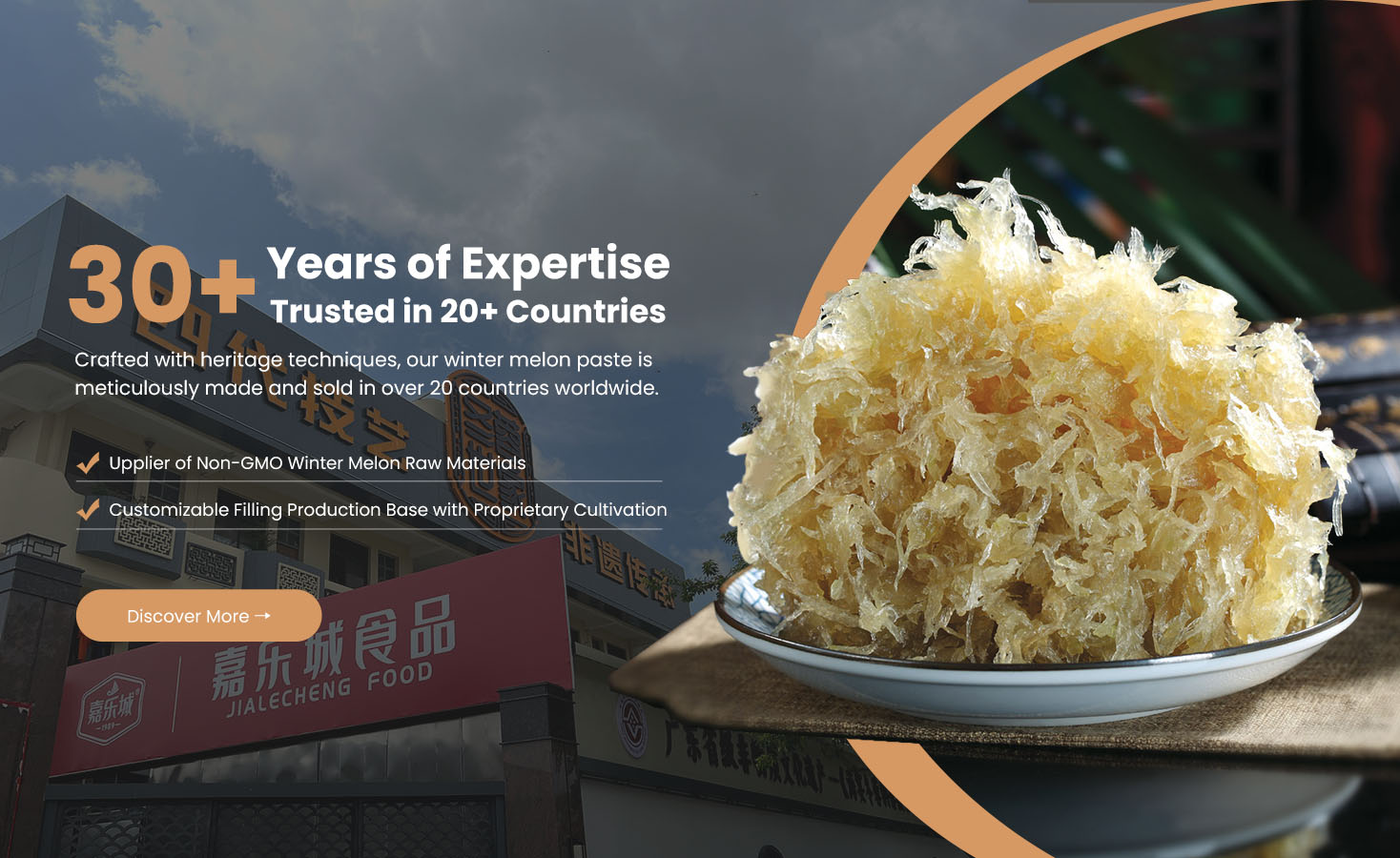
Demand for low-sugar and additive-free food products has increased significantly in the global market. These trends are driven by growing consumer awareness of health, stricter food regulations, and the expansion of clean-label products. For winter melon products such as winter melon pulp and winter melon paste used in beverages, desserts, and baking ingredients, these consumer shifts are creating new opportunities for manufacturers.
-
2026-03-16
-
2026-03-13With the expansion of global food supply chains, many beverage brands, bakery manufacturers, and dessert producers are increasingly sourcing fruit-based ingredients from overseas suppliers.
-
2026-03-12Southeast Asia is a growing destination for processed fruit ingredients and agricultural products. Rising population, urbanization, and increasing income levels are expanding food demand across the region, creating opportunities for exporters of fruit-based products such as winter melon pulp and winter melon paste.However, despite strong demand, exporters of winter melon products must overcome several trade barriers before entering Southeast Asian markets.Food Safety And Import Inspection RegulationsOne of the most important barriers is compliance with national food safety regulations. Southeast Asian countries operate strict import inspection systems for processed food products. Regulatory authorities may conduct port inspections to verify product safety, processing conditions, and ingredient declarations.Winter melon products exported to the region must usually provide documentation such as:Food safety certificatesIngredient and product specification sheetsProduction and hygiene inspection recordsImport registration documents in some countriesIf these requirements are incomplete or inconsistent, shipments can be rejected or delayed during customs inspection.Labeling And Packaging ComplianceLabeling regulations vary between Southeast Asian countries. Many markets require food labels to contain specific information such as ingredient lists, nutrition panels, manufacturer information, and storage instructions in approved formats.Incorrect or incomplete labeling can lead to import rejection. Exporters must ensure that winter melon products meet local labeling standards and that packaging materials are food-grade and compliant with safety regulations.Non-Tariff Trade BarriersIn many cases, the most significant barriers are not tariffs but non-tariff measures. These include import licensing systems, technical standards, customs documentation requirements, and pre-shipment inspections.For processed fruit products, common non-tariff barriers include:Import permits or registration systemsMandatory product testing or certificationCustoms clearance documentation requirementsTechnical standards for food processing and packagingThese measures can increase administrative costs and delay market entry for exporters.Rules Of Origin And Regional Trade AgreementsRegional trade agreements also influence market access. Under the ASEAN Free Trade Area framework, products must meet rules of origin requirements to qualify for preferential tariff rates. For many products, at least 40% of the product’s value must originate within ASEAN to receive preferential treatment.For exporters outside ASEAN, this means winter melon products may not qualify for tariff reductions and may face higher import duties compared with regional suppliers.Agricultural Standards And Certification SystemsSeveral Southeast Asian countries have implemented agricultural and food certification programs to improve food safety monitoring. These systems evaluate farming practices, processing conditions, and quality control procedures for fruit and vegetable products.Exporters must often demonstrate that their production systems follow recognized standards and that their supply chain is traceable from raw material sourcing to finished product packaging.Market Competition And Supply Chain ChallengesAnother barrier is competition from regional agricultural producers. Southeast Asia has strong domestic production of fruits and processed food ingredients, and the region’s food industry is rapidly expanding.Local suppliers may benefit from shorter supply chains, lower transportation costs, and regional trade agreements, making it more difficult for external exporters to compete on price.Manufacturing And Compliance Requirements For ExportersTo successfully enter Southeast Asian markets, winter melon product manufacturers must build strong production and compliance systems.Typical winter melon pulp or paste production includes:Raw material selection from controlled agricultural sourcesCleaning, peeling, and cutting of winter melonMechanical pulping and heating or sterilizationFood-grade packaging and storageQuality control checkpoints are required during raw material inspection, processing temperature monitoring, sanitation management, and final product verification.From a sourcing perspective, importers often prefer working directly with manufacturers rather than trading intermediaries. Manufacturers with integrated production facilities can better maintain raw material traceability, standardized processing procedures, and export documentation required for international trade.Bulk supply capability is also important for beverage producers and food processing companies across Southeast Asia. Reliable manufacturers maintain stable production capacity and standardized packaging formats to support large-volume procurement.Many producers also provide OEM and ODM services for international buyers. Through these services, distributors can customize packaging formats, labeling designs, and product specifications according to local market regulations.ConclusionAlthough Southeast Asia represents a rapidly expanding market for fruit-based ingredients, exporters of winter melon products must navigate several trade barriers. These include food safety inspections, labeling compliance requirements, non-tariff trade measures, rules of origin restrictions, and strong regional competition.Manufacturers that maintain standardized production systems, strict quality control checkpoints, and complete export documentation are better positioned to overcome these barriers and successfully supply winter melon ingredients to Southeast Asian food manufacturers and distributors.
-
2026-03-11Winter melon paste has long been used as a traditional filling ingredient in Chinese pastries, including mooncakes, wife cakes, and other baked desserts. In recent years, the demand for winter melon paste in the bakery sector has shown a stable upward trend due to the growth of the global mooncake market, the expansion of Asian bakery products, and increasing innovation in pastry fillings.Expansion Of The Mooncake And Pastry MarketThe growth of the mooncake industry is one of the main drivers of winter melon paste demand. The global mooncake market was valued at about USD 2.38 billion in 2024 and is expected to reach approximately USD 3.2 billion by 2033, growing at a compound annual growth rate of about 3.3%.Other market research estimates show a similar trend, with the mooncake market projected to grow from USD 2.54 billion in 2024 to over USD 3.4 billion by 2033.Since filling ingredients account for a large proportion of mooncake composition, this steady market growth directly increases the demand for filling materials such as winter melon paste.Rising Demand For Fruit-Based FillingsAnother major trend is the rising popularity of fruit-based pastry fillings. Market analysis indicates that fruit filling segments in the mooncake preparations market are expanding rapidly, with some reports forecasting annual growth rates exceeding 14% between 2026 and 2033.Consumers increasingly prefer fillings that offer:Natural fruit flavorLower fat compared with traditional nut pastesBetter texture stability in baked productsCompatibility with modern dessert innovationWinter melon paste fits well into this category because it provides mild sweetness, a smooth texture, and strong structural stability in baking.Traditional Use In Mooncakes And PastriesWinter melon has historically been used as a pastry filling in many Asian desserts. Candied winter melon paste forms the base filling for several pastries and has also been used in mooncakes and other festival desserts.Traditional pastries such as wife cakes use candied winter melon combined with sesame and glutinous ingredients to produce a chewy filling with balanced sweetness.Because these pastries remain popular in Chinese and overseas Chinese communities, winter melon paste continues to play a key role in traditional bakery formulations.Growth Of Bake-Stable Filling IngredientsThe broader market for bakery filling ingredients is also expanding. For example, the bake-stable pastry filling market in China alone grew from USD 104.7 million in 2020 to a projected USD 172.1 million by 2028, representing a 6.4% growth rate.Fruit fillings are among the largest product categories in this segment, further supporting the demand for fruit-based pastes such as winter melon paste.Consumer Trends Driving DemandSeveral long-term consumer trends are strengthening the use of winter melon paste in mooncakes and pastries:Traditional festival consumptionMooncakes remain closely associated with the Mid-Autumn Festival, maintaining strong seasonal demand worldwide.Flavor innovation in bakery productsManufacturers are introducing modern fruit flavors and hybrid fillings to attract younger consumers.Health-oriented product developmentFruit-based fillings are often perceived as lighter alternatives compared with high-fat nut or seed pastes.Expansion of Asian bakery marketsAsian pastries are increasingly popular in North America, Europe, and Southeast Asia, expanding the global demand for traditional filling ingredients.Implications For Winter Melon Paste ManufacturersFor winter melon paste producers supplying the bakery industry, several factors influence competitiveness in this growing market:Stable raw material sourcing for winter melon supplyConsistent texture and sweetness suitable for pastry fillingScalable production capacity for seasonal demand peaksStandardized quality control and export compliance systemsManufacturers with integrated production processes—from raw material inspection to pulping, cooking, and packaging—are generally better positioned to support bakery manufacturers and food processors requiring bulk filling ingredients.Market OutlookOverall, the demand for winter melon paste as a pastry filling shows steady long-term growth, supported by expanding mooncake markets, increasing fruit-based ingredient innovation, and the global spread of Asian bakery products.As traditional festival foods evolve and new dessert concepts emerge, winter melon paste is expected to remain an important ingredient in mooncakes, pastries, and bakery fillings across international markets.
-
2026-03-10Winter melon pulp is increasingly used as a natural ingredient in bakery fillings, dessert toppings, and processed food formulations. As the global baking ingredients industry expands and consumer demand shifts toward natural fruit-based ingredients, winter melon pulp is gradually gaining attention in the baking ingredients supply chain.
-
2026-03-09Clear and accurate ingredient labeling is essential for winter melon products such as winter melon paste, winter melon pulp, and related processed ingredients used in beverages and desserts. Proper labeling helps consumers understand product composition and ensures compliance with international food regulations.
-
2026-03-06Food recalls can significantly impact international food suppliers, especially for processed agricultural products such as winter melon pulp and winter melon paste used in beverages, desserts, and food processing. For manufacturers exporting winter melon products, monitoring food recall cases in major importing countries helps identify regulatory risks, labeling requirements, and quality control expectations.
-
2026-03-05Exporting winter melon paste to international markets requires strict documentation management. Incomplete or inaccurate paperwork is one of the most common causes of port detention during customs inspection. For food manufacturers exporting winter melon products, preparing a complete documentation system ensures smooth customs clearance and reduces the risk of shipment delays.
-
2026-03-04Food product recalls in international markets are frequently linked to undeclared allergens or labeling errors. For processed products such as winter melon pulp used in beverages and desserts, establishing a structured allergen risk management system is essential for protecting consumer safety and maintaining export compliance. A complete allergen control framework helps manufacturers reduce recall risks while ensuring regulatory compliance in major markets such as the United States and Europe.
-
2026-03-03Incoming goods inspection is a critical step in food manufacturing to ensure raw materials meet safety and quality standards before entering the production process. For products such as winter melon pulp, food businesses must record detailed raw material information during inspection to maintain traceability, regulatory compliance, and stable product quality.
-
2026-03-02Winter melon pulp has become an important ingredient in beverage production, dessert manufacturing, and food processing industries. As demand grows in overseas markets, especially in North America, compliance with US food labeling regulations becomes essential for exporters. For products entering the United States, food labels must follow the requirements defined under US 21 CFR food labeling regulations to ensure product transparency, traceability, and consumer safety.
-
2026-02-06For manufacturers of fruit and vegetable pastes, seasonal variation is one of the most important determinants of raw material quality. Climate conditions, harvest timing, agricultural practices, and storage methods all influence sugar content, moisture levels, fiber structure, and microbial load. For buyers sourcing in bulk for bakery, confectionery, or food processing applications, understanding seasonal factors is essential for stable formulation performance and long-term supply planning.